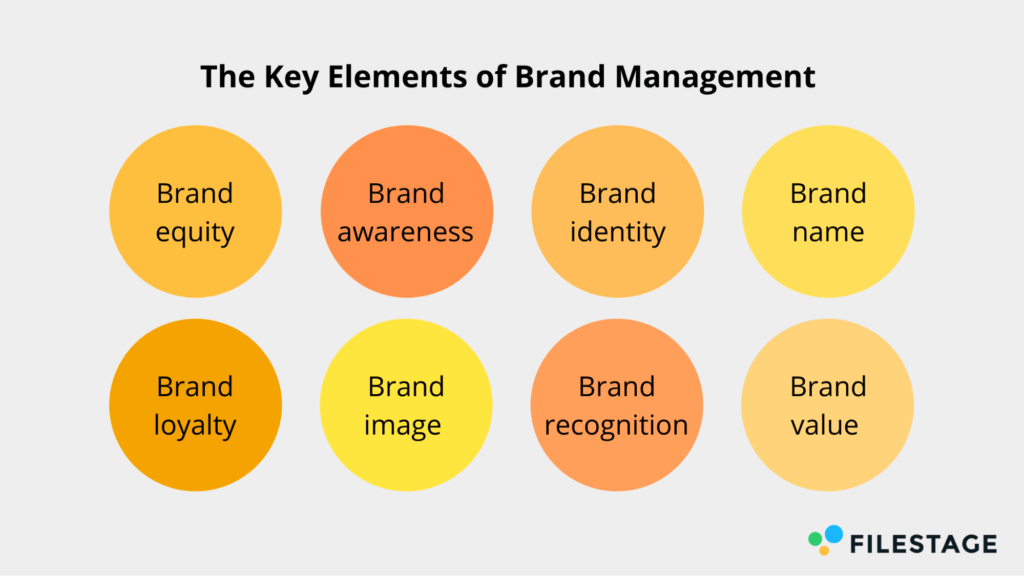
Building a successful brand isn’t merely about creating a logo and a catchy slogan; it’s a multifaceted strategy demanding careful planning, consistent execution, and ongoing adaptation. Effective brand management encompasses a wide array of disciplines, from defining your brand’s core values and target audience to navigating potential crises and measuring performance. This guide delves into the essential components of a robust brand management strategy, providing insights and practical advice to help businesses of all sizes build lasting brand equity and achieve sustainable growth.
Understanding the nuances of brand management requires a holistic approach, integrating marketing efforts with a deep understanding of your target audience’s needs and desires. From crafting compelling brand messaging to establishing a strong visual identity, every element contributes to the overall perception and value of your brand. We will explore the critical steps in developing a comprehensive brand strategy, including detailed analysis, implementation, and continuous monitoring for optimal results.
Brand Equity
Brand equity represents the value a brand holds beyond its tangible assets. It’s the cumulative effect of consumer perception, brand awareness, and loyalty, all contributing to a brand’s overall market strength and profitability. Building and maintaining strong brand equity is crucial for long-term success in a competitive marketplace.
Key Factors Contributing to Strong Brand Equity
Several interconnected factors contribute to robust brand equity. These include brand awareness (how familiar consumers are with the brand), perceived quality (consumers’ assessment of the brand’s offerings), brand loyalty (the degree to which consumers repeatedly purchase from the brand), brand associations (the positive or negative feelings and images linked to the brand), and other proprietary brand assets such as patents or unique brand elements.
A strong brand story, consistent messaging, and positive customer experiences are also vital components.
Examples of Brands with High and Low Brand Equity
Apple consistently ranks highly in brand equity assessments due to its strong brand awareness, perceived premium quality, high customer loyalty, and positive brand associations linked to innovation and design. Conversely, a brand like a generic store-brand product often has low brand equity because it lacks strong brand awareness, unique associations, and customer loyalty. The difference lies in Apple’s successful cultivation of a premium brand image and loyal customer base, which significantly increases their perceived value and market share, while the generic brand lacks this significant investment in brand building.
Methods for Measuring Brand Equity
Measuring brand equity involves both qualitative and quantitative approaches. Quantitative methods include brand tracking studies which assess brand awareness, consideration, and preference through surveys and focus groups. Financial analysis, such as comparing the market value of a brand to its book value, can also provide insights. Qualitative methods often involve in-depth interviews and focus groups to explore consumers’ perceptions and emotional connections with the brand.
These methods offer a holistic understanding of the brand’s intangible value.
Plan to Improve Brand Equity of an Existing Company
Let’s consider a hypothetical company, “Acme Widgets,” a mid-sized manufacturer of widgets. To enhance Acme Widgets’ brand equity, a multi-pronged approach is needed.First, a comprehensive brand audit will assess the current brand image, identifying strengths and weaknesses. This will involve market research to understand consumer perception. Secondly, a refined brand positioning strategy will be developed, clearly defining Acme Widget’s unique value proposition and target audience.
This will inform marketing and communication efforts. Thirdly, a consistent brand messaging strategy across all touchpoints (website, social media, packaging, etc.) will ensure a unified brand experience. Fourthly, investment in superior product quality and customer service will enhance perceived quality and foster brand loyalty. Finally, a robust customer relationship management (CRM) system will track customer interactions and feedback, allowing for personalized engagement and proactive issue resolution.
By implementing these strategies, Acme Widgets can steadily build its brand equity, leading to increased market share and profitability.
Brand Strategy
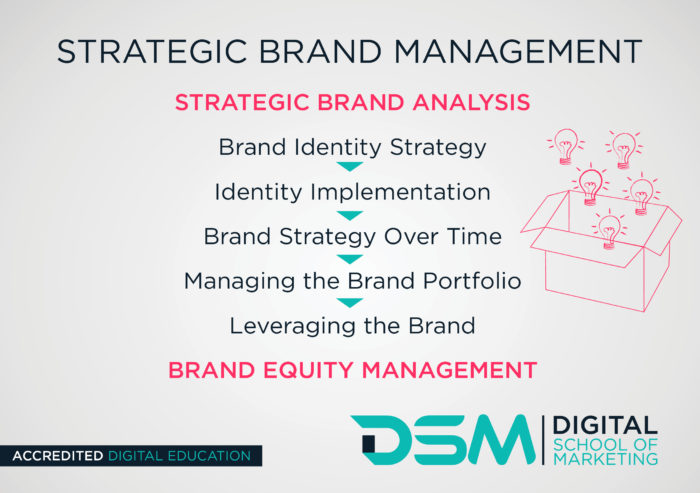
Developing a robust brand strategy is crucial for long-term success. It provides a clear roadmap, guiding all brand-related activities and ensuring consistency in messaging and experience. A well-defined strategy allows businesses to effectively connect with their target audience, build brand loyalty, and ultimately achieve their business objectives.
A comprehensive brand strategy encompasses various elements, from understanding the target market to defining the brand’s unique value proposition and outlining a clear path to achieve desired outcomes. It’s a dynamic document, subject to review and refinement as the market evolves and the business grows.
Critical Steps in Developing a Brand Strategy
Developing a comprehensive brand strategy requires a systematic approach. Each step builds upon the previous one, creating a strong foundation for brand growth and sustainability.
The process typically involves in-depth market research to understand consumer behavior, competitive analysis to identify opportunities and threats, and a thorough internal audit to assess the company’s strengths and weaknesses. This information is then used to define the brand’s identity, its target audience, and its unique selling proposition. Finally, a detailed marketing and communication plan is developed to bring the brand to life.
Comparing Aspirational and Value-Driven Branding Approaches
Aspirational branding focuses on creating a brand image that evokes desire and inspires consumers to aspire to a certain lifestyle or ideal. Think of luxury brands like Rolex or Gucci, which project an image of exclusivity and sophistication. Their marketing emphasizes the aspirational lifestyle associated with owning their products.
In contrast, value-driven branding emphasizes the functional benefits and practical value offered by a product or service. This approach often targets price-conscious consumers who prioritize functionality and affordability over prestige. A value-driven brand might focus on highlighting features, durability, or cost-effectiveness. For example, a budget-friendly grocery store might emphasize its low prices and wide selection of everyday essentials.
Both approaches can be effective, depending on the target market and the brand’s overall objectives.
Organizing a Brand Strategy Presentation
A compelling brand strategy presentation should clearly articulate the brand’s vision, mission, and values. It should also define the target audience, outlining their demographics, psychographics, and needs. Key messages should be concise and memorable, reflecting the brand’s unique selling proposition and resonating with the target audience. Visual aids, such as charts, graphs, and images, can enhance the presentation’s impact, making complex information more accessible and engaging.
The presentation should conclude with a clear call to action, outlining the next steps in implementing the brand strategy.
Aligning Brand Strategy with Business Objectives
A successful brand strategy is intrinsically linked to the overall business objectives. The brand should act as a vehicle to achieve the company’s goals, whether it’s increasing market share, boosting profitability, or expanding into new markets. For example, a company aiming for rapid growth might adopt an aggressive branding strategy focused on building brand awareness and market penetration.
Conversely, a company focused on profitability might prioritize a strategy that emphasizes customer loyalty and repeat purchases. The brand strategy should always be aligned with the company’s financial goals and strategic priorities. Regular monitoring and evaluation are essential to ensure the brand strategy remains effective and aligned with evolving business objectives.
Target Audience Analysis & Segmentation
Understanding your target audience is paramount for successful brand management. A well-defined target audience allows for focused marketing efforts, optimized resource allocation, and ultimately, increased brand resonance and profitability. This involves not just identifying broad demographics, but also delving into psychographics, behaviors, and needs to create truly effective strategies.Identifying key characteristics requires a multi-faceted approach, combining quantitative and qualitative research methods.
This section will explore the process of analyzing and segmenting target audiences, culminating in the creation of detailed buyer personas and a concise reporting structure.
Key Characteristics of Target Audience Segments
Defining target audience segments necessitates identifying shared characteristics. These can be broadly categorized into demographic, geographic, psychographic, and behavioral factors. Demographic factors include age, gender, income, education, and family status. Geographic factors consider location, climate, and cultural nuances. Psychographic factors delve into lifestyle, values, attitudes, and interests.
Finally, behavioral factors analyze purchasing habits, brand loyalty, and media consumption. For example, a luxury car brand might target a segment defined by high income, professional occupation (demographics), urban location (geographic), a preference for luxury goods and experiences (psychographics), and a history of purchasing premium vehicles (behavioral).
Detailed Persona for a Specific Target Audience Segment
Let’s create a persona for a specific segment: “The Eco-Conscious Millennial.” This segment comprises young adults aged 25-35, typically with a college education and a moderate to high income. They are environmentally conscious, prioritizing sustainable practices in their daily lives. They are digitally savvy, heavily reliant on social media for information and purchasing decisions. They value authenticity and transparency from brands, actively seeking out companies aligned with their values.
They are likely to purchase products with eco-friendly certifications and are willing to pay a premium for sustainable alternatives. This persona guides marketing decisions, influencing messaging, channel selection, and product development. For instance, marketing materials would emphasize the sustainable aspects of a product, using visuals that resonate with their values and lifestyle, and focusing on digital marketing channels like Instagram and TikTok.
Comparison of Market Segmentation Strategies
Several strategies exist for segmenting markets. Geographic segmentation divides the market based on location. Demographic segmentation uses demographic variables like age and income. Psychographic segmentation focuses on lifestyle and values. Behavioral segmentation considers purchasing behavior and brand loyalty.
Each strategy has its strengths and weaknesses. Geographic segmentation is simple but may overlook significant variations within a region. Demographic segmentation is easy to measure but may lack depth. Psychographic segmentation provides rich insights but can be more challenging and expensive to implement. Behavioral segmentation is highly effective for targeted marketing but requires robust data collection.
The optimal strategy often involves a combination of these approaches, creating a multi-dimensional view of the target audience. For instance, a company selling organic food might use a combination of geographic (targeting urban areas with high concentrations of health-conscious consumers), demographic (focusing on higher-income households), and psychographic (targeting consumers who value healthy eating and sustainability) segmentation.
Target Audience Research Report Organization
A well-structured report begins with an executive summary, clearly outlining the research objectives, methodology, and key findings. This is followed by a detailed description of the research methodology, including the data collection methods used (surveys, interviews, focus groups, etc.) and the sample size. The main body of the report presents the findings, organized by target audience segment. Each segment should be described in detail, including key characteristics, needs, and motivations.
The report should conclude with recommendations for marketing strategies tailored to each segment. Visual aids, such as charts and graphs, are crucial for effectively communicating complex data. For example, a pie chart could show the proportion of consumers in each segment, while a bar graph could compare the average income levels across different segments. The report should also include appendices with detailed data tables and survey questionnaires.
Brand Messaging and Communication
Effective brand messaging and communication are crucial for building a strong brand identity and fostering customer loyalty. A consistent message across all platforms ensures brand recognition and reinforces the value proposition to the target audience. This section details strategies for crafting compelling brand messaging and disseminating it effectively.
Developing a cohesive brand voice and tone is paramount. This ensures that all communications reflect the brand’s personality and values, creating a unified and memorable experience for customers. The chosen voice and tone should align with the brand’s overall strategy and target audience, influencing the language, style, and imagery used in all communication channels.
Brand Voice and Tone Guide Development
A brand voice and tone guide acts as a style guide for all brand communications. It defines the brand’s personality – is it playful, sophisticated, authoritative, or friendly? The tone describes the mood and attitude – formal, informal, humorous, serious? This guide should provide clear examples of acceptable and unacceptable language, ensuring consistency across all platforms. For example, a luxury brand might adopt a sophisticated and formal tone, while a tech startup might opt for a playful and informal approach.
The guide should also address grammar, punctuation, and capitalization standards for maintaining consistency.
Brand Messaging Examples Across Channels
The same core message should be adapted to suit the unique characteristics of each communication channel. The message needs to resonate with the audience and the platform’s context.
For instance, a social media campaign might utilize short, engaging captions and visuals, focusing on creating a sense of community and interaction. The website, on the other hand, can provide more detailed information and a deeper exploration of the brand’s story and values. Advertising campaigns, particularly print or television, might leverage storytelling and emotional appeals to create a lasting impression.
Consider the following examples:
- Social Media (Instagram): Image of a person enjoying the product with a short caption: “Weekend vibes with [Brand Name]! #[BrandHashtag] #WeekendMood”
- Website: A detailed product description highlighting key features and benefits, along with high-quality images and customer testimonials.
- Advertising (TV Commercial): A short, emotionally driven narrative showcasing the product’s impact on people’s lives, ending with a clear call to action.
Best Practices for Effective Brand Communication
Effective brand communication requires a strategic approach. Several key practices contribute to successful communication.
- Know your audience: Tailor your message to resonate with your target audience’s needs, interests, and values.
- Keep it concise and clear: Avoid jargon and complex language. Focus on conveying your message in a simple, straightforward manner.
- Maintain consistency: Use the same brand voice, tone, and visual elements across all channels.
- Use storytelling: Connect with your audience on an emotional level by sharing compelling stories about your brand and its values.
- Encourage engagement: Make it easy for your audience to interact with your brand through social media, comments, reviews, and other channels.
- Track and measure results: Monitor your communication efforts to assess their effectiveness and make adjustments as needed.
Brand Awareness and Engagement Campaign Design
A well-designed campaign can significantly boost brand awareness and engagement. The campaign should have clear, measurable goals and a defined target audience. Consider a multi-channel approach, utilizing various platforms to reach a wider audience. For example, a campaign might include social media contests, influencer marketing, email marketing, and paid advertising. Regular monitoring and analysis of campaign performance are essential for optimizing results and achieving the desired outcomes.
For example, a campaign for a new coffee brand might involve social media contests with branded merchandise giveaways, influencer collaborations with coffee bloggers, and targeted ads on platforms frequented by coffee lovers. The campaign’s success would be measured by increases in social media followers, website traffic, and sales.
Crisis Management and Brand Reputation
A brand’s reputation is its most valuable asset. A single crisis, mishandled, can irrevocably damage this asset, leading to significant financial losses and lasting damage to consumer trust. Proactive crisis management strategies are therefore crucial for mitigating risks and ensuring swift, effective responses when challenges arise. These strategies should be integrated into a company’s overall brand management plan, not treated as an afterthought.Effective crisis management involves anticipating potential threats, developing comprehensive response plans, and training personnel to handle high-pressure situations.
A key element is swift and transparent communication with stakeholders, including customers, employees, investors, and the media. Failing to address a crisis promptly and honestly often exacerbates the damage. Furthermore, the ability to learn from past mistakes and adapt crisis management strategies accordingly is vital for long-term success.
Strategies for Managing Brand Crises and Protecting Reputation
Successful crisis management relies on a multi-pronged approach. Firstly, it requires a proactive identification of potential risks. This involves regularly monitoring the brand’s environment for potential threats, such as negative social media trends, competitor actions, or emerging regulatory issues. Secondly, a detailed crisis communication plan should be established, outlining roles and responsibilities, communication channels, and key messages. Thirdly, swift and decisive action is essential.
Delaying a response can allow the situation to escalate, making it harder to regain control. Finally, post-crisis analysis is vital to understand what went well, what could be improved, and how to prevent similar situations in the future. This involves evaluating the effectiveness of the response, identifying areas for improvement, and updating the crisis communication plan accordingly.
Examples of Companies that Successfully Navigated Brand Crises
Several companies have successfully navigated significant brand crises. Johnson & Johnson’s handling of the Tylenol tampering incident in 1982 serves as a classic example. Their immediate recall of the product, coupled with transparent communication and a commitment to consumer safety, ultimately preserved their brand reputation. Similarly, Dove’s response to criticism regarding their advertising campaigns demonstrates the importance of listening to consumer feedback and adapting marketing strategies accordingly.
They addressed concerns openly, demonstrating a commitment to inclusivity and diversity. These examples highlight the importance of prioritizing consumer trust and demonstrating a willingness to learn and adapt.
The Role of Social Media in Managing Brand Reputation
Social media has fundamentally altered the landscape of crisis management. It provides a platform for rapid dissemination of information, both positive and negative. While social media can amplify negative news, it also offers an opportunity to engage directly with stakeholders, address concerns promptly, and correct misinformation. However, social media requires careful monitoring and a rapid response mechanism.
A delayed or inadequate response can quickly escalate a minor incident into a major crisis. Effective social media crisis management requires a dedicated team, clear guidelines, and a strategy for proactively managing online conversations.
A Crisis Communication Plan for a Hypothetical Scenario
Let’s consider a hypothetical scenario: A fictional coffee company, “Brewtiful Mornings,” discovers a batch of their coffee beans contains traces of a harmful substance. The crisis communication plan would include the following steps:
1. Immediate Internal Response
A crisis management team is immediately activated. They assess the situation, identify the affected products, and determine the extent of the contamination.
2. Notification of Relevant Authorities
Brewtiful Mornings promptly notifies the relevant food safety authorities and cooperates fully with their investigation.
3. Product Recall
A voluntary recall of the affected coffee beans is initiated, with clear instructions on how consumers can return the product.
4. Public Communication
A press release is issued, clearly explaining the situation, the steps taken to address it, and the company’s commitment to consumer safety. Social media channels are used to disseminate this information and address consumer concerns.
5. Ongoing Monitoring
Social media and traditional media are continuously monitored for further developments and to address any emerging concerns.
6. Post-Crisis Review
Following the resolution of the crisis, a thorough review is conducted to identify areas for improvement in the company’s quality control processes and crisis communication strategies.
Measuring Brand Performance
Understanding how your brand is performing is crucial for making informed decisions and achieving long-term success. Measuring brand performance goes beyond simple sales figures; it requires a holistic approach that considers various aspects of brand perception and market impact. By tracking key performance indicators (KPIs), you can gain valuable insights into your brand’s health and identify areas for improvement.
Key Performance Indicators (KPIs) for Brand Success
Several key performance indicators provide a comprehensive view of brand health. These metrics offer quantifiable data to assess progress toward brand objectives. A balanced scorecard approach, encompassing financial, customer, internal process, and learning & growth perspectives, is often used.
Methods for Tracking Brand Awareness, Engagement, and Sentiment
Tracking brand awareness, engagement, and sentiment requires a multi-faceted approach utilizing both quantitative and qualitative data. Quantitative data, such as website traffic and social media engagement metrics, provides a numerical understanding of brand reach and interaction. Qualitative data, derived from customer reviews, social media listening, and focus groups, offers deeper insights into consumer perceptions and sentiment towards the brand.
Examples of Effective Brand Performance Dashboards
Effective brand performance dashboards provide a clear, concise overview of key metrics. A well-designed dashboard should be visually appealing, easily understandable, and customizable to track specific KPIs relevant to the brand’s goals. For example, a dashboard might display website traffic, social media engagement rates, customer satisfaction scores, and brand mentions alongside relevant visualizations such as charts and graphs. Another example could be a dashboard showcasing sales figures segmented by region, product line, or customer demographic.
These visual representations quickly communicate performance trends and areas needing attention.
Brand Performance Data Table
The following table demonstrates a sample of brand performance data organized for analysis. Note that targets and actuals are illustrative and would be replaced with actual brand-specific data.
| Metric | Target | Actual | Variance |
|---|---|---|---|
| Brand Awareness (Social Media Mentions) | 10,000 | 12,500 | +25% |
| Website Traffic | 50,000 | 45,000 | -10% |
| Customer Satisfaction Score (CSAT) | 4.5/5 | 4.2/5 | -6.7% |
| Net Promoter Score (NPS) | 70 | 65 | -7.1% |
| Social Media Engagement Rate | 5% | 6% | +20% |
Case Studies
Examining successful brand management strategies through real-world examples provides invaluable insights into best practices and effective techniques. By analyzing the approaches of leading brands, we can identify key factors that contribute to long-term success and sustainable brand equity. This section will explore several case studies, highlighting their strengths and offering comparative analysis.
Apple’s Brand Management: A Focus on Simplicity and User Experience
Apple’s consistent brand identity, centered on simplicity, elegance, and user-friendly technology, has been a cornerstone of its success. Their minimalist design aesthetic, coupled with intuitive interfaces and a premium pricing strategy, has cultivated a strong sense of brand loyalty. This carefully cultivated image, reinforced through consistent messaging across all platforms, resonates with a target audience seeking both functionality and aspirational value.
The company’s controlled retail environment further enhances the brand experience, creating a sense of exclusivity and reinforcing the premium positioning. This strategy, focused on a cohesive brand narrative and consistent customer experience, has enabled Apple to command significant market share and premium pricing across various product categories.
Nike’s Brand Management: Leveraging Emotional Connection and Athleisure
Nike’s brand management excels in forging an emotional connection with its consumers. Their marketing campaigns often focus on inspirational stories of athletes overcoming challenges, aligning the brand with themes of perseverance, achievement, and self-improvement. The “Just Do It” slogan, a simple yet powerful message, has become synonymous with the brand’s ethos. Furthermore, Nike’s successful expansion into the athleisure market demonstrates its adaptability and understanding of evolving consumer trends.
By seamlessly integrating athletic wear into everyday fashion, Nike has broadened its appeal and further solidified its brand recognition and relevance. Their use of celebrity endorsements and collaborations also plays a significant role in maintaining a strong brand image and reaching diverse target audiences.
Coca-Cola’s Brand Management: Global Reach and Consistent Messaging
Coca-Cola’s brand management exemplifies the power of consistent global messaging and brand heritage. The iconic red and white logo, coupled with the instantly recognizable product and associated imagery, has ensured widespread recognition and brand recall across cultures and generations. While adapting their marketing strategies to resonate with local markets, Coca-Cola maintains a consistent core brand message that emphasizes happiness, refreshment, and shared experiences.
Their long history and association with positive cultural moments contribute to a powerful brand legacy, further solidifying their position as a global leader in the beverage industry. Their commitment to consistent messaging and brand image, even amidst evolving consumer preferences and market trends, demonstrates the importance of maintaining brand heritage while adapting to contemporary needs.
Comparison of Case Studies: Identifying Best Practices
Comparing these three case studies reveals several common threads in successful brand management. All three companies prioritize a strong, consistent brand identity, effectively communicating their brand values and message across various platforms. They also demonstrate a deep understanding of their target audiences, tailoring their marketing strategies to resonate with specific consumer needs and aspirations. Finally, each company has demonstrated adaptability and a willingness to evolve their strategies in response to changing market conditions and consumer trends, ensuring long-term relevance and success.
The key difference lies in their approach to communicating their brand identity: Apple emphasizes simplicity and user experience, Nike focuses on emotional connection and aspiration, and Coca-Cola leverages its heritage and global reach. Each approach, however, underscores the importance of a cohesive and consistent brand strategy.
In conclusion, successful brand management is a dynamic and iterative process that requires a commitment to understanding your audience, crafting a compelling narrative, and consistently delivering on your brand promise. By carefully considering each aspect of brand building—from defining your core values to measuring your performance—you can establish a strong foundation for long-term success. Remember that a strong brand is not just an asset; it’s a vital component of a thriving business, fostering customer loyalty and driving sustainable growth.
FAQ
What is the difference between branding and marketing?
Branding focuses on creating a unique identity and perception of your company, while marketing focuses on promoting your products or services to achieve sales goals. Branding is the foundation upon which marketing efforts are built.
How can I measure brand awareness?
Brand awareness can be measured through surveys, social media monitoring, website analytics, and brand recall studies. These methods provide insights into how well your target audience recognizes and remembers your brand.
What are some common brand crisis examples?
Common brand crises include product recalls, negative publicity, social media controversies, and executive misconduct. Effective crisis management plans are essential to mitigate damage and protect reputation.
How often should I review my brand strategy?
Regular brand strategy reviews are crucial. The frequency depends on market dynamics and business objectives, but at least an annual review is recommended to adapt to changing conditions and maintain relevance.


