In today’s hyper-connected world, brand equity isn’t just a buzzword; it’s the lifeblood of any successful business. This exploration delves into the multifaceted nature of brand equity within the dynamic landscape of digital marketing, examining how businesses can cultivate, measure, and leverage this invaluable asset to achieve sustainable growth and competitive advantage. We’ll explore strategies for building brand equity through various digital channels, analyze key performance indicators (KPIs), and showcase real-world examples of brands that have successfully navigated this complex terrain.
From understanding the core components of brand equity and its distinction from brand awareness and recognition, to mastering the art of social media marketing and content creation, this comprehensive guide provides a practical framework for building and protecting your brand’s reputation in the digital sphere. We’ll also delve into the crucial role of customer experience (CX) and discuss how effectively managing online crises can safeguard your brand’s value.
Ultimately, this exploration aims to equip you with the knowledge and tools necessary to cultivate a robust and enduring digital brand presence.
Defining Brand Equity in the Digital Landscape
Brand equity in the digital landscape represents the overall value a brand holds in the minds of its online audience. It’s a multifaceted concept encompassing consumer perception, brand awareness, loyalty, and ultimately, the financial impact these factors have on a company’s bottom line. In the digital age, this value is built and maintained through a strategic and consistent online presence across various digital channels.Brand equity is more than just brand awareness or brand recognition.
While awareness signifies a consumer’s knowledge of a brand, and recognition involves identifying a brand from its logo or messaging, equity goes further. It encompasses the emotional connection, trust, and perceived value associated with a brand. High brand equity translates to a willingness to pay a premium for a product or service, increased customer loyalty, and a stronger competitive advantage.
Core Components of Digital Brand Equity
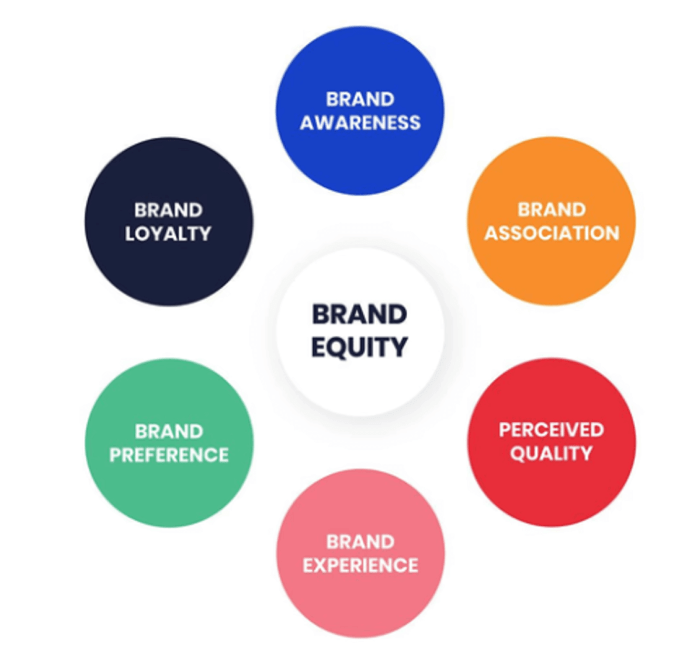
The core components of digital brand equity are intricately intertwined and mutually reinforcing. They include brand awareness (reach and recall), brand perception (quality, reliability, innovation), brand loyalty (repeat purchases and advocacy), and brand associations (the mental connections consumers make with the brand). In the digital sphere, these components are significantly shaped by online reviews, social media engagement, search engine rankings, and website traffic.
A strong online reputation, positive user experiences, and consistent messaging across all digital platforms are crucial for building a positive brand equity.
Differences Between Brand Equity, Awareness, and Recognition
Brand awareness simply means consumers know your brand exists. Brand recognition is the ability of consumers to identify your brand amongst others. Brand equity, however, encompasses both awareness and recognition but expands upon them by incorporating the overall perceived value, customer loyalty, and emotional connection consumers have with the brand. A brand can have high awareness and recognition but low equity if consumers don’t trust it or perceive it as valuable.
Conversely, a brand with strong equity often enjoys higher levels of awareness and recognition as a natural consequence.
Impact of Digital Channels on Building and Measuring Brand Equity
Digital channels offer unparalleled opportunities for building and measuring brand equity. Social media platforms allow for direct engagement with consumers, fostering brand loyalty and positive word-of-mouth marketing. Search engine optimization () impacts brand visibility and trustworthiness. Website analytics provide detailed insights into consumer behavior, preferences, and brand perception. Paid advertising campaigns can rapidly increase brand awareness and reach targeted audiences.
Furthermore, online reviews and ratings platforms directly influence consumer perception and brand equity. By carefully monitoring these digital touchpoints, businesses can gain valuable data for improving their brand equity strategies.
Examples of Brands with Strong and Weak Digital Brand Equity
The following table illustrates brands with contrasting digital brand equity. It’s important to note that brand equity is dynamic and can fluctuate based on various factors.
| Brand Name | Industry | Strengths | Weaknesses |
|---|---|---|---|
| Apple | Technology | Strong brand loyalty, premium pricing, innovative products, consistent positive online presence, excellent customer service (generally), effective social media engagement. | Occasionally faces criticism regarding repair costs and environmental concerns, some negative press surrounding product launches and supply chain issues. |
| Nike | Apparel & Footwear | Highly recognizable brand, strong social media presence, effective influencer marketing, association with athletic achievement and inspiration. | Past controversies regarding labor practices have impacted brand perception, competition in the athletic apparel market is intense. |
| Netflix | Streaming Entertainment | High user engagement, strong brand recognition, vast content library, convenient access. | Increasing competition from other streaming services, price increases, concerns about content quality and algorithm bias. |
| Juicero | Food Technology (defunct) | Initially generated significant buzz and media attention. | High price point for a product with easily replicable functionality, negative reviews highlighting the unnecessary complexity and expense, ultimately leading to bankruptcy. |
Building Brand Equity Through Digital Strategies
Building a strong brand in the digital age requires a multifaceted approach leveraging the power of various online platforms and strategies. Successful brand equity development hinges on consistent messaging, high-quality content, and a deep understanding of the target audience’s online behavior. By strategically employing social media, content marketing, and search engine optimization (), businesses can cultivate brand awareness, trust, and ultimately, loyalty.
The Role of Social Media Marketing in Enhancing Brand Equity
Social media platforms offer unparalleled opportunities to engage directly with consumers, fostering brand relationships and building equity. Strategic social media marketing involves more than simply posting updates; it necessitates a thoughtful content strategy tailored to each platform’s unique audience and characteristics. Authentic interactions, timely responses to comments and queries, and consistent brand voice contribute significantly to building positive brand perception.
Running targeted advertising campaigns on these platforms allows businesses to reach specific demographics and interests, maximizing their marketing impact. For example, a consistent presence on Instagram with high-quality visuals and engaging stories can significantly improve brand recognition and desirability, particularly for visually-driven products or services. Conversely, a strong LinkedIn presence can build trust and authority for business-to-business (B2B) brands.
The Effectiveness of Content Marketing in Building Brand Trust and Loyalty
Content marketing plays a crucial role in establishing brand trust and loyalty by providing valuable and engaging information to the target audience. This approach moves beyond simple advertising and focuses on creating content – blog posts, articles, videos, infographics – that educates, entertains, and solves problems for the audience. By offering genuine value, businesses position themselves as thought leaders and build credibility.
Consistent delivery of high-quality content demonstrates expertise and commitment, fostering a sense of trust and loyalty among consumers. For instance, a company producing organic food might create a blog series detailing sustainable farming practices, educating consumers and reinforcing its commitment to quality and environmental responsibility. This approach builds a loyal customer base who appreciate the transparency and commitment to values.
Strategies for Leveraging Search Engine Optimization () to Improve Brand Visibility and Perception
is critical for improving brand visibility and perception by ensuring that a brand’s website ranks highly in search engine results pages (SERPs). A well-optimized website appears more frequently in relevant searches, increasing brand exposure and driving traffic to the website. Effective strategies involve research, on-page optimization (meta descriptions, title tags, header tags), and off-page optimization (link building, social media promotion).
High-quality, original content that addresses user search intent is essential for success. A brand consistently ranking highly for relevant s builds credibility and establishes itself as an authority in its industry. For example, a company specializing in sustainable travel might optimize its website for s such as “eco-friendly vacations,” “sustainable tourism,” and “responsible travel,” ensuring its visibility to customers actively searching for these services.
This targeted approach not only drives traffic but also positions the brand as a leader in its niche.
Hypothetical Social Media Campaign to Boost Brand Equity
Let’s consider a hypothetical social media campaign for a new line of plant-based protein bars targeted at health-conscious millennials and Gen Z. The campaign, titled “Fuel Your Potential,” would leverage Instagram and TikTok, focusing on visually appealing content showcasing the bars’ versatility and deliciousness. Instagram would feature high-quality images and videos of people enjoying the bars in various settings – workouts, hiking, studying.
Stories would include behind-the-scenes glimpses of the product development process, highlighting the natural ingredients and commitment to sustainability. TikTok would utilize trending audio and challenges to create engaging short-form videos, encouraging user-generated content through contests and giveaways. The campaign would emphasize the bars’ nutritional benefits and delicious taste, aligning with the target audience’s values and lifestyle. Influencer marketing would be incorporated, partnering with fitness and wellness influencers to authentically promote the product to their followers.
This multi-platform approach, focusing on high-quality visuals, engaging content, and user interaction, would build brand awareness, drive sales, and ultimately enhance brand equity.
Measuring and Managing Digital Brand Equity
Building a strong digital brand isn’t just about creating a presence; it’s about understanding and actively managing its value. Measuring and managing digital brand equity requires a multifaceted approach, combining quantitative data with qualitative insights to gain a comprehensive understanding of your brand’s health and performance in the digital landscape. This allows for proactive adjustments to optimize strategies and maintain a positive brand reputation.Measuring digital brand equity involves tracking key performance indicators (KPIs) and analyzing customer feedback to understand brand perception and sentiment.
Effective management includes addressing online crises and proactively monitoring brand reputation. A regular brand equity audit is crucial for maintaining a strong and resilient brand.
Key Performance Indicators for Tracking Digital Brand Equity
Several metrics provide valuable insights into your digital brand equity. These KPIs offer a quantifiable assessment of brand performance and customer engagement. Analyzing these metrics allows for data-driven decision-making, enabling adjustments to strategies to enhance brand equity.
- Website Traffic and Engagement: Metrics such as unique visitors, bounce rate, time on site, and pages per visit reveal user interest and engagement with your brand’s online presence.
- Social Media Engagement: Track metrics like follower count, reach, engagement rate (likes, comments, shares), and sentiment analysis of social media mentions to gauge brand perception and resonance.
- Search Engine Optimization () Performance: Monitor rankings, organic traffic, and click-through rates to assess brand visibility and online discoverability.
- Brand Mentions and Sentiment: Track the volume and sentiment (positive, negative, neutral) of brand mentions across various online platforms, including social media, news sites, and blogs. Tools like Brandwatch or Talkwalker can be helpful here.
- Customer Satisfaction (CSAT) and Net Promoter Score (NPS): These metrics measure customer satisfaction and loyalty, providing valuable insights into overall brand health and customer perception.
- Conversion Rates: Track the percentage of website visitors who complete desired actions, such as making a purchase or signing up for a newsletter. This indicates the effectiveness of your digital marketing efforts in driving conversions and building brand value.
Utilizing Customer Feedback and Data Analytics to Monitor Brand Health
Customer feedback and data analytics provide a holistic view of brand health. By analyzing this data, businesses can identify areas of strength and weakness, proactively address issues, and improve their overall brand equity.Customer feedback can be collected through various channels, including surveys, social media monitoring, online reviews, and customer support interactions. Data analytics, on the other hand, involve using tools and techniques to analyze website traffic, social media engagement, and other digital data points.
Combining these approaches offers a rich understanding of customer sentiment and brand perception. For example, analyzing social media comments alongside website conversion rates can reveal whether a recent marketing campaign improved customer perception and drove sales.
Managing Brand Reputation and Addressing Online Crises
Maintaining a positive online reputation is crucial for brand equity. Proactive reputation management involves monitoring online conversations, addressing negative feedback promptly and professionally, and developing a crisis communication plan to mitigate the impact of negative events. A well-defined crisis communication plan should Artikel procedures for identifying, assessing, and responding to online crises. This includes designating a crisis communication team, establishing communication channels, and preparing pre-approved messaging to address potential issues swiftly and effectively.
For example, a company facing a product recall needs a clear and concise communication strategy to inform customers, address concerns, and minimize reputational damage. Transparency and swift action are critical in managing online crises effectively.
Conducting a Digital Brand Equity Audit
A regular brand equity audit provides a structured assessment of your brand’s digital health. This process involves a systematic review of various aspects of your online presence to identify areas for improvement and ensure alignment with your overall brand strategy.
- Define Objectives and Scope: Clearly define the goals of the audit and the specific areas of your digital presence you will assess. This could include website, social media, online reviews, and search engine rankings.
- Gather Data: Collect data from various sources, including website analytics, social media monitoring tools, customer surveys, and competitor analysis.
- Analyze Data and Identify Strengths and Weaknesses: Analyze the collected data to identify key strengths and weaknesses of your digital brand equity. This might involve comparing your brand’s performance to industry benchmarks or competitors.
- Develop Recommendations: Based on your analysis, develop actionable recommendations to improve your digital brand equity. This could include optimizing website content, enhancing social media engagement, or addressing negative online reviews.
- Implement Recommendations and Monitor Progress: Implement the recommended actions and track their effectiveness using relevant KPIs. Regularly monitor progress to ensure your strategies are delivering the desired results.
Brand Equity and Customer Experience
In the digital realm, brand equity and customer experience (CX) are inextricably linked. A positive CX directly translates into stronger brand equity, while negative experiences can severely erode it. This section explores this crucial relationship, providing examples and strategies for leveraging CX to build a powerful brand.
Exceptional customer experiences are the cornerstone of robust brand equity in the digital landscape. Digital channels offer unprecedented opportunities to interact with customers, understand their needs, and deliver personalized experiences that foster loyalty and advocacy. Conversely, poor digital CX can rapidly damage a brand’s reputation, leading to customer churn and negative word-of-mouth, which spreads quickly online.
Exceptional CX and Brand Equity Building
Exceptional customer experiences contribute significantly to building strong brand equity by fostering customer loyalty, driving positive word-of-mouth marketing, and creating a strong emotional connection with the brand. For example, a company providing seamless online ordering, personalized recommendations, and proactive customer support builds trust and encourages repeat business. Conversely, a company with a clunky website, unresponsive customer service, or misleading advertising will quickly lose customers and damage its brand reputation.
Companies like Zappos, known for their exceptional customer service and generous return policies, have built significant brand equity based on their commitment to positive CX. Their proactive approach to resolving issues and exceeding customer expectations has created a loyal customer base who readily recommend the brand.
Negative Customer Experiences and Brand Equity Erosion
Negative customer experiences, particularly those amplified through social media, can significantly damage brand equity. A single negative review or a viral video depicting poor service can quickly spread, impacting a brand’s reputation and deterring potential customers. For instance, a company facing numerous complaints about delayed shipping or faulty products will see its brand equity decline as customer trust erodes.
The damage extends beyond lost sales; it can also impact investor confidence and employee morale. The negative publicity surrounding a data breach or a public relations crisis can be particularly damaging, eroding trust and severely impacting brand equity.
Strategies for Improving Customer Experience and Enhancing Brand Equity
Several strategies can be employed to simultaneously improve customer experience and enhance brand equity. These strategies focus on creating seamless, personalized, and efficient digital interactions.
| Strategy | Expected Impact on Brand Equity |
|---|---|
| Invest in user-friendly website and app design | Increased customer satisfaction, improved brand perception, enhanced loyalty, and positive word-of-mouth referrals. |
| Provide proactive and personalized customer support through multiple channels (e.g., live chat, email, social media) | Improved customer trust, stronger brand relationships, increased customer retention, and reduced negative online reviews. |
| Implement robust data analytics to understand customer behavior and preferences | Enable personalized marketing and service delivery, leading to increased customer engagement, loyalty, and positive brand perception. |
| Actively solicit and respond to customer feedback | Demonstrates brand transparency and responsiveness, improving customer relationships and fostering a sense of community, leading to enhanced brand loyalty and advocacy. |
| Develop a comprehensive customer journey map to identify and address pain points | Improved customer satisfaction across all touchpoints, leading to a seamless and positive brand experience, resulting in enhanced brand equity and customer lifetime value. |
The Interplay of Brand Equity, Brand Strategy, and Brand Management
Brand equity, brand strategy, and brand management are interconnected concepts crucial for achieving sustainable business success in the digital landscape. While distinct, they work in a synergistic manner, each influencing and supporting the others to build and maintain a strong market presence. Understanding their interplay is essential for developing a comprehensive approach to brand building.Brand equity, brand strategy, and brand management represent different stages and aspects of a brand’s lifecycle.
Brand equity is the outcome, while brand strategy and brand management are the processes that create and maintain it. A strong brand strategy is the foundation upon which high brand equity is built, and effective brand management ensures its longevity and growth.
Brand Equity, Brand Strategy, and Brand Management: A Comparison
Brand equity represents the overall value of a brand, encompassing consumer perception, brand loyalty, and the premium a brand commands in the market. It’s the intangible asset that translates into financial value. Brand strategy, on the other hand, is the long-term plan outlining how a brand will achieve its objectives. It encompasses target audience identification, brand positioning, messaging, and overall brand architecture.
Finally, brand management is the ongoing process of implementing and monitoring the brand strategy, ensuring brand consistency across all touchpoints, and adapting to market changes. While brand equity is the ultimate goal, brand strategy provides the roadmap, and brand management ensures the journey is successful.
A Robust Brand Strategy’s Contribution to Brand Equity
A well-defined brand strategy is instrumental in building strong brand equity. A clear understanding of the target audience, coupled with a compelling brand story and consistent messaging, creates a strong brand identity that resonates with consumers. For example, a company focusing on sustainability could incorporate eco-friendly practices throughout its operations and communicate this clearly in its marketing materials. This consistency builds trust and loyalty, directly impacting brand equity.
Further, a strong brand strategy incorporates a thorough competitive analysis, allowing the brand to differentiate itself effectively and establish a unique market position. This differentiation is a key driver of higher brand equity.
Brand Management’s Role in Maintaining and Protecting Brand Equity
Brand management plays a crucial role in maintaining and protecting the hard-earned brand equity. It involves monitoring brand performance, managing brand reputation, and ensuring brand consistency across all platforms. This includes responding to customer feedback, actively managing the brand’s online presence, and addressing any negative publicity swiftly and effectively. For instance, a company facing a product recall needs effective brand management to mitigate damage to its reputation and maintain customer trust.
Proactive brand management also involves adapting the brand strategy to evolving market trends and consumer preferences, ensuring the brand remains relevant and competitive.
The Interplay of Brand Equity, Brand Strategy, and Brand Management: A Flowchart
The relationship between brand equity, brand strategy, and brand management can be visualized as a continuous cycle.
1. Brand Strategy Development
This is the starting point, defining the brand’s vision, mission, target audience, and value proposition.
2. Brand Strategy Implementation (Brand Management)
This involves executing the brand strategy through marketing campaigns, product development, and customer service.
3. Brand Equity Building
Consistent implementation of the brand strategy leads to increased brand awareness, loyalty, and positive perception, resulting in stronger brand equity.
4. Brand Equity Monitoring and Adjustment (Brand Management)
Regularly monitoring brand performance and market feedback allows for adjustments to the brand strategy to maintain and enhance brand equity. This feedback loop ensures the brand remains aligned with evolving consumer needs and market dynamics.
5. Repeat
The cycle repeats, with continuous refinement of the brand strategy and brand management practices to maximize brand equity. This cyclical process ensures sustainable growth and market leadership.
Case Studies of Successful Digital Brand Equity Building
Building strong digital brand equity requires a multifaceted approach, leveraging various online platforms and strategies. Analyzing successful case studies provides valuable insights into effective techniques and their impact on brand perception and market position. The following examples highlight brands that have masterfully navigated the digital landscape to cultivate powerful and enduring brand equity.
Nike’s Digital Brand Equity Strategy
Nike’s success in building digital brand equity stems from its consistent engagement with its target audience through compelling content, interactive experiences, and strategic partnerships. Their use of social media platforms like Instagram and TikTok is exemplary, featuring user-generated content, influencer collaborations, and captivating visual storytelling that resonates deeply with their target demographic. Furthermore, Nike’s investment in personalized digital experiences, such as customized product recommendations and exclusive online access, enhances customer loyalty and fosters a strong sense of community.
This approach, combined with effective and targeted advertising, has resulted in increased brand awareness, stronger customer engagement, and significant revenue growth.
Dove’s Campaign for Real Beauty
Dove’s “Real Beauty” campaign is a prime example of how authentic and inclusive brand messaging can resonate powerfully with consumers in the digital space. By challenging traditional beauty standards and promoting body positivity, Dove cultivated a strong emotional connection with its audience, fostering brand loyalty and trust. Their digital strategy leveraged social media to amplify their message, engaging in conversations around body image and self-esteem.
This approach not only increased brand awareness but also established Dove as a leader in promoting social responsibility, further strengthening its brand equity. The campaign’s success is attributable to its authenticity, its alignment with societal values, and its effective use of digital channels to reach and engage its target audience.
Netflix’s Digital Brand Building Through Personalization
Netflix’s dominance in the streaming industry is partly due to its sophisticated use of data-driven personalization. By analyzing viewing habits and preferences, Netflix delivers highly tailored content recommendations, creating a personalized user experience that keeps subscribers engaged and satisfied. This personalization extends beyond recommendations, encompassing customized account settings and targeted marketing efforts. This strategy not only enhances user satisfaction but also strengthens brand loyalty by fostering a sense of understanding and individual attention.
The result is a highly engaged user base, low churn rates, and a strong brand reputation synonymous with high-quality, personalized entertainment.
| Brand Name | Key Strategies | Results | Lessons Learned |
|---|---|---|---|
| Nike | User-generated content, influencer marketing, personalized digital experiences, strong and targeted advertising. | Increased brand awareness, stronger customer engagement, significant revenue growth. | Authenticity and consistent engagement are crucial for building strong digital brand equity. Invest in creating personalized experiences to foster loyalty. |
| Dove | Authentic and inclusive brand messaging, social media engagement, focus on social responsibility. | Increased brand awareness, strengthened brand loyalty and trust, established brand leadership in promoting social responsibility. | Align your brand with societal values to create a strong emotional connection with consumers. Use digital channels to amplify your message and engage in relevant conversations. |
| Netflix | Data-driven personalization, customized content recommendations, targeted marketing. | High user engagement, low churn rates, strong brand reputation for high-quality personalized entertainment. | Personalization is key to enhancing user satisfaction and fostering brand loyalty. Leverage data to understand and cater to individual user needs. |
Building and maintaining strong brand equity in the digital age requires a strategic and multifaceted approach. By understanding the interplay between brand strategy, brand management, and customer experience, businesses can effectively leverage digital channels to build trust, loyalty, and ultimately, a powerful and enduring brand. The insights and strategies presented here offer a roadmap for navigating the complexities of the digital landscape and harnessing the power of brand equity to achieve lasting success.
Consistent monitoring, adaptation, and a customer-centric approach are key to thriving in this ever-evolving environment.
FAQ Corner
What is the difference between brand equity and brand awareness?
Brand awareness is simply knowing a brand exists. Brand equity goes further, encompassing the perceived value and positive associations customers have with a brand, influencing their purchasing decisions.
How can I measure the ROI of my brand equity building efforts?
Measuring ROI directly is challenging. However, tracking KPIs like website traffic, social media engagement, customer lifetime value, and brand mentions can provide indirect indicators of success.
What role does negative online reviews play in brand equity?
Negative reviews can significantly damage brand equity. Proactive monitoring and responsive, empathetic responses are crucial for mitigating the impact of negative feedback.
How can small businesses build brand equity on a limited budget?
Focus on creating high-quality content, engaging with your audience on social media, building strong customer relationships, and leveraging cost-effective strategies.


