Building a thriving business hinges on cultivating strong brand equity and fostering unwavering customer loyalty. These two concepts are intrinsically linked; a powerful brand attracts loyal customers, while loyal customers reinforce brand value. This exploration delves into the multifaceted relationship between brand equity and customer loyalty, examining how businesses can strategically leverage both to achieve sustainable growth and competitive advantage.
We will examine the key components of brand equity – awareness, perceived quality, associations, and loyalty itself – and how these elements intersect with the various dimensions of customer loyalty: behavioral, attitudinal, and cognitive. By understanding these dynamics, businesses can develop targeted strategies to enhance their brand image, cultivate deeper customer relationships, and ultimately drive revenue and profitability.
Defining Brand Equity and Customer Loyalty
Brand equity and customer loyalty are two crucial concepts in business, intrinsically linked and mutually reinforcing. A strong brand fosters loyalty, while loyal customers contribute significantly to building brand equity. Understanding their individual components and their interplay is essential for sustained business success.
Brand Equity Components
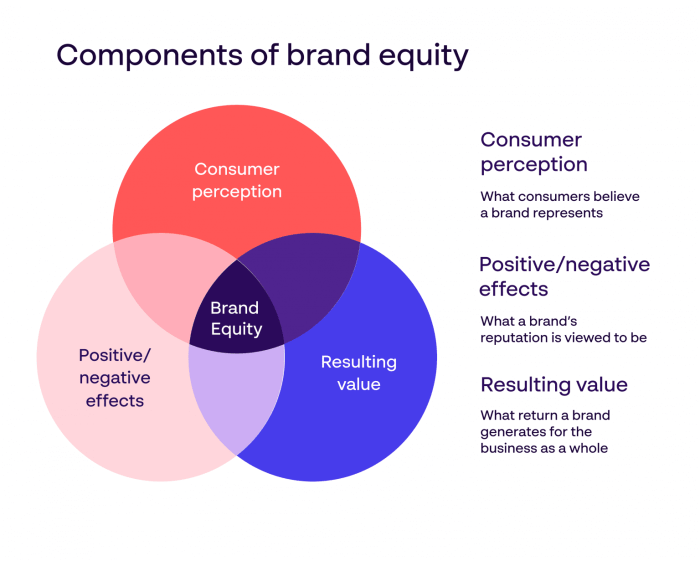
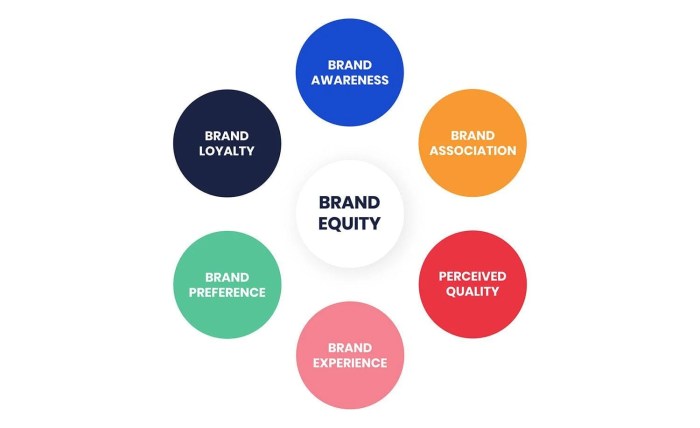
Brand equity represents the overall value of a brand, encompassing its assets and liabilities. It’s a reflection of consumer perception and the resulting impact on the brand’s market position. Key components driving brand equity include: brand awareness, perceived quality, brand associations, and brand loyalty itself. Brand awareness signifies how familiar consumers are with the brand. Perceived quality reflects consumers’ beliefs about the brand’s superiority relative to competitors.
Brand associations are the mental links consumers make between the brand and specific attributes, experiences, or emotions. Finally, brand loyalty contributes directly to the overall value by ensuring repeat purchases and advocacy. A high level of brand equity translates into greater pricing power, increased market share, and a stronger competitive advantage.
Customer Loyalty Dimensions
Customer loyalty is multifaceted, extending beyond simply repeat purchases. It encompasses behavioral, attitudinal, and cognitive dimensions. Behavioral loyalty refers to the actual purchasing behavior—the frequency and volume of purchases from a particular brand. Attitudinal loyalty reflects the emotional connection and positive feelings customers have toward the brand. Cognitive loyalty represents the customer’s rational assessment of the brand, their understanding of its value proposition, and their belief in its superiority.
A customer can exhibit behavioral loyalty without necessarily possessing strong attitudinal or cognitive loyalty, highlighting the complexity of this concept. True loyalty, however, typically involves a confluence of all three dimensions.
Comparing Brand Equity and Customer Loyalty
Brand equity and customer loyalty are interdependent concepts. Strong brand equity facilitates the development of customer loyalty by creating a favorable brand image and fostering trust. Conversely, high customer loyalty contributes significantly to building brand equity by generating repeat sales, positive word-of-mouth referrals, and a strong customer base. A brand with high equity is more likely to attract and retain loyal customers, while loyal customers help sustain and enhance the brand’s equity over time.
The relationship is cyclical, with each element strengthening the other.
Loyalty Program Impact on Brand Equity
Different loyalty programs employ various strategies to cultivate customer loyalty, ultimately influencing brand equity. The impact varies depending on the program’s design and execution.
| Program Name | Key Features | Target Audience | Impact on Brand Equity |
|---|---|---|---|
| Starbucks Rewards | Points-based system, free drinks/food, personalized offers | Regular coffee consumers | Enhances brand loyalty, increases frequency of visits, strengthens positive brand associations. |
| Amazon Prime | Free shipping, streaming services, exclusive deals | Frequent online shoppers | Creates strong customer dependence, builds positive brand perception, increases customer lifetime value. |
| Sephora Beauty Insider | Tiered rewards system, birthday gifts, exclusive events | Beauty product enthusiasts | Cultivates brand community, fosters loyalty among high-value customers, reinforces brand image as a premium beauty destination. |
| Southwest Rapid Rewards | Points-based system for flights, companion pass options | Frequent travelers | Drives repeat business, strengthens brand association with travel convenience and value, enhances brand preference. |
Building Brand Equity to Foster Customer Loyalty
Building strong brand equity is paramount for cultivating lasting customer loyalty. A brand with high equity enjoys a significant competitive advantage, commanding premium pricing, attracting and retaining customers, and weathering market fluctuations more effectively. This section will explore strategies for enhancing brand awareness and perception, providing examples of successful brands, and outlining the role of marketing communications in driving loyalty.
A sample marketing campaign will also be presented to illustrate practical application.
Strategies for Enhancing Brand Awareness and Improving Brand Perception
Elevating brand awareness and perception requires a multi-faceted approach focusing on consistent messaging, impactful experiences, and targeted communication. Successful strategies often leverage a combination of traditional and digital marketing techniques to reach and resonate with the target audience. A strong brand identity, clearly communicating the brand’s values and unique selling propositions (USPs), forms the foundation of this process.
- Targeted Advertising: Utilizing data-driven insights to reach specific demographics and psychographics through tailored advertising campaigns across various platforms, such as social media, search engines, and print media. For example, a luxury car brand might focus its advertising on high-net-worth individuals through targeted online ads and print publications.
- Public Relations and Media Outreach: Generating positive media coverage and building relationships with key influencers and journalists to enhance brand visibility and credibility. This could involve press releases, media kits, and influencer marketing collaborations. A successful example is a new sustainable fashion brand partnering with environmental advocacy groups for joint campaigns.
- Content Marketing: Creating valuable and engaging content (blog posts, videos, infographics) that resonates with the target audience and establishes the brand as a thought leader in its industry. A tech company might create informative blog posts and webinars about its software solutions to attract potential customers and showcase expertise.
- Experiential Marketing: Creating memorable brand experiences that foster emotional connections with customers. This could include events, pop-up shops, or interactive installations. A coffee shop could host a local artist’s exhibition to create a welcoming and engaging atmosphere.
Examples of Brands with Strong Brand Equity and High Customer Loyalty
Several brands have demonstrated exceptional success in building strong brand equity and cultivating high customer loyalty. These companies often share common traits, including consistent brand messaging, exceptional customer service, and a commitment to innovation.
- Apple: Known for its premium products, user-friendly interfaces, and strong brand image, Apple has cultivated a fiercely loyal customer base through consistent product innovation and a carefully crafted brand experience.
- Nike: Nike’s brand equity is built on its association with athletic achievement, innovation, and inspirational storytelling. The company effectively connects with its target audience through powerful marketing campaigns and endorsements from top athletes.
- Disney: Disney’s brand equity is rooted in its ability to create magical and memorable experiences for families. The company’s strong brand identity and consistent messaging have cultivated a highly loyal customer base across generations.
The Role of Effective Marketing Communications in Shaping Brand Image and Driving Customer Loyalty
Effective marketing communications are crucial for shaping a positive brand image and fostering customer loyalty. Clear, consistent, and compelling messaging across all touchpoints is essential. This includes ensuring that the brand’s values and personality are consistently reflected in its communications, regardless of the channel.
- Consistent Brand Messaging: Maintaining a unified brand voice and visual identity across all marketing materials ensures a cohesive brand experience for customers.
- Personalized Communication: Tailoring marketing messages to individual customer preferences and needs fosters a stronger sense of connection and loyalty.
- Two-Way Communication: Actively engaging with customers through social media, email, and other channels creates opportunities for feedback and strengthens relationships.
- Storytelling: Crafting compelling brand stories that resonate with customers on an emotional level can significantly enhance brand engagement and loyalty.
Sample Marketing Campaign: Building Brand Equity and Fostering Customer Loyalty
This campaign focuses on a hypothetical sustainable clothing brand, “EcoThreads,” aiming to build brand equity and foster customer loyalty.
- Campaign Goal: Increase brand awareness and drive customer loyalty by showcasing EcoThreads’ commitment to sustainability and ethical practices.
- Target Audience: Environmentally conscious consumers aged 25-45, interested in sustainable and ethical fashion.
- Tactics:
- Content Marketing: Create blog posts and social media content highlighting the brand’s sustainable practices and the stories behind its materials and production processes.
- Influencer Marketing: Partner with ethical fashion influencers to promote the brand and its products.
- Social Media Engagement: Run contests and giveaways to increase engagement and build a community around the brand.
- Email Marketing: Develop personalized email campaigns to nurture customer relationships and promote new products and offers.
- Loyalty Program: Implement a loyalty program that rewards repeat customers with exclusive discounts and benefits.
- Channels: Instagram, Facebook, Pinterest, email marketing, blog, website.
Measuring Brand Equity and Customer Loyalty
Accurately measuring brand equity and customer loyalty is crucial for understanding a company’s overall health and potential for future growth. These metrics provide valuable insights into brand perception, customer satisfaction, and the effectiveness of marketing strategies. By analyzing these data points, businesses can make informed decisions to strengthen their brand and cultivate stronger customer relationships.
Key Metrics for Measuring Brand Equity
Brand equity, the overall value of a brand, is multifaceted and requires a comprehensive approach to measurement. Several key metrics provide a holistic view. These metrics offer insights into consumer perception and the overall strength of the brand in the market.
- Brand Awareness: This measures the percentage of consumers who recognize and recall a brand. High brand awareness indicates strong brand recognition and recall, suggesting successful marketing efforts.
- Brand Preference: This reflects the proportion of consumers who choose a particular brand over competitors, indicating a strong brand preference and loyalty.
- Brand Value: This is a more complex metric, often assessed through financial analysis, reflecting the monetary worth of the brand, considering factors like revenue, market share, and brand reputation. It can be estimated using methods like brand valuation models.
Methods for Assessing Customer Loyalty
Understanding customer loyalty is essential for sustainable business growth. Several methods provide valuable insights into customer behavior and retention. These metrics illuminate the strength and longevity of customer relationships.
- Customer Lifetime Value (CLTV): This metric predicts the total revenue a business expects to generate from a single customer throughout their entire relationship. A higher CLTV indicates more valuable customers and a successful customer retention strategy. For example, a subscription-based service with high renewal rates will have a high CLTV.
- Net Promoter Score (NPS): This measures customer willingness to recommend a brand to others. A high NPS score suggests strong customer satisfaction and loyalty. A company with an NPS of 70 or higher generally indicates strong customer loyalty and advocacy.
- Repurchase Rate: This simply tracks the percentage of customers who make repeat purchases. A high repurchase rate indicates strong customer loyalty and satisfaction with the product or service. For example, a coffee shop with a high repurchase rate suggests customers are satisfied with the coffee and experience.
Comparing Methods for Measuring Brand Equity and Customer Loyalty
Different methods have varying strengths and weaknesses. Understanding these nuances is critical for selecting the most appropriate metrics for a specific business context.
Brand equity metrics like brand awareness and preference are relatively easy to measure using surveys and market research. However, assessing brand value requires more sophisticated financial modeling. Customer loyalty metrics like CLTV require historical data and predictive modeling, while NPS relies on customer feedback and may be subject to bias. Repurchase rate is straightforward but may not capture the full spectrum of customer loyalty, as some loyal customers may not purchase frequently.
Hypothetical Customer Survey Data
The following table presents hypothetical data from a customer survey, illustrating the relationship between demographics, brand awareness, loyalty, and purchase frequency.
| Demographic | Brand Awareness Score (1-10) | Loyalty Score (1-10) | Purchase Frequency (per month) |
|---|---|---|---|
| 25-34, Female | 8 | 9 | 3 |
| 35-44, Male | 6 | 7 | 1 |
| 45-54, Female | 9 | 8 | 2 |
| 55+, Male | 7 | 6 | 1 |
| 25-34, Male | 5 | 4 | 0 |
The Impact of Brand Equity on Customer Loyalty
Strong brand equity is the cornerstone of lasting customer relationships. It’s more than just a recognizable logo; it represents the cumulative perception and trust customers have built over time. This positive perception directly translates into higher customer loyalty and retention rates, providing a significant competitive advantage in today’s market. A well-established brand fosters a sense of belonging and connection, making customers less likely to switch to competitors.A robust brand equity translates directly into tangible benefits.
The positive associations and perceived value linked to a strong brand lead customers to become more loyal, repeat purchasers, and ultimately, brand advocates. This loyalty reduces the need for extensive and costly marketing campaigns to acquire new customers.
Brand Equity and Customer Advocacy
A strong brand fosters customer advocacy, which is a powerful engine for growth. Customers who are loyal to a brand are more likely to recommend it to others through word-of-mouth marketing and online reviews. This organic, peer-to-peer endorsement is incredibly valuable and often more effective than traditional advertising. Positive online reviews, for instance, significantly influence purchasing decisions, showcasing the power of satisfied customers acting as brand ambassadors.
The trust and credibility associated with a strong brand make these recommendations highly influential.
Financial Benefits of Strong Brand Equity and High Customer Loyalty
The financial advantages of a strong brand with high customer loyalty are substantial. Increased revenue is a direct consequence of repeat purchases and higher average order values from loyal customers. Furthermore, reduced customer acquisition costs are a significant benefit. Maintaining existing loyal customers is far less expensive than constantly seeking new ones. The cost of acquiring a new customer is often several times higher than retaining an existing one.
This cost saving allows companies to reinvest resources into product development, innovation, and other strategic initiatives.
Examples of Brands Leveraging Brand Equity
Apple consistently demonstrates the power of brand equity. Their loyal customer base, built on a reputation for design, innovation, and a premium user experience, allows them to command premium prices and maintain strong sales even during economic downturns. Similarly, Coca-Cola, with its globally recognized brand and strong emotional connection with consumers, has weathered numerous market challenges by relying on its established brand equity and customer loyalty.
Their consistent brand messaging and strong emotional connection with consumers maintain their market position despite evolving consumer preferences and the introduction of competing products. These brands demonstrate that a strong brand, built on trust and positive associations, provides a powerful buffer against external pressures.
In conclusion, the symbiotic relationship between brand equity and customer loyalty is undeniable. By strategically investing in building a strong brand and fostering deep customer connections, businesses can achieve significant competitive advantages. This involves not only understanding the core components of both concepts but also employing effective measurement techniques and adaptable marketing strategies to continuously nurture and strengthen this vital relationship for long-term success.
The journey to cultivate enduring customer loyalty begins with a robust brand foundation.
Commonly Asked Questions
What is the difference between brand awareness and brand equity?
Brand awareness refers to the simple recognition of a brand. Brand equity is the broader, overall value associated with the brand, encompassing awareness, perception, and customer loyalty.
How can I measure the return on investment (ROI) of a loyalty program?
Track metrics like increased customer lifetime value (CLTV), repeat purchase rates, and reduced customer acquisition costs. Compare these figures to the program’s costs to determine ROI.
What are some examples of brands with strong customer loyalty?
Apple, Amazon, and Disney are often cited for their high levels of customer loyalty, driven by strong brand equity and positive customer experiences.
How can negative reviews impact brand equity and customer loyalty?
Negative reviews can significantly damage brand equity and customer loyalty. Proactive response and effective damage control are crucial for mitigating negative impact.


