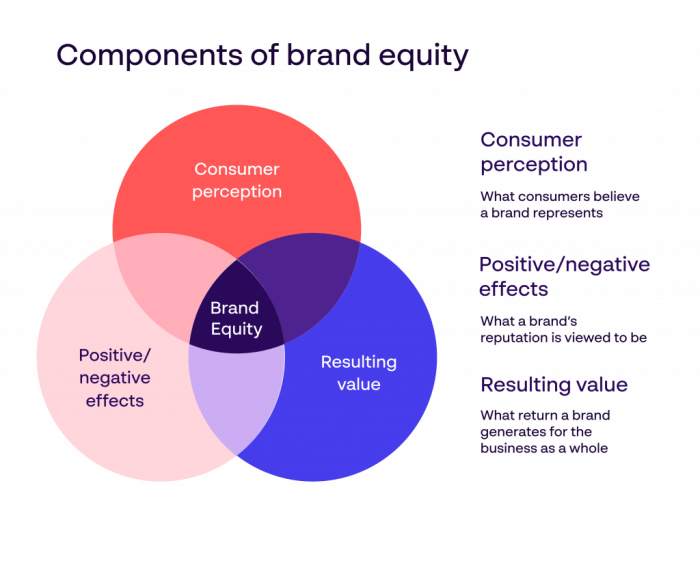
Building a powerful brand isn’t about luck; it’s a strategic process of cultivating awareness, shaping perception, and fostering loyalty. This exploration delves into the multifaceted aspects of brand equity, examining how businesses can strategically leverage their assets to achieve sustainable growth and market dominance. We’ll uncover the essential components of a robust brand, from understanding its core values to measuring its tangible and intangible worth.
From defining brand equity and its key components to implementing effective strategies for building awareness and loyalty, this guide provides a comprehensive roadmap for enhancing your brand’s value. We’ll explore practical tactics, including social media campaigns, customer experience management, and the crucial role of consistent branding across all touchpoints. Ultimately, we aim to equip you with the knowledge and tools to build a brand that resonates deeply with your target audience and stands the test of time.
Defining Brand Equity
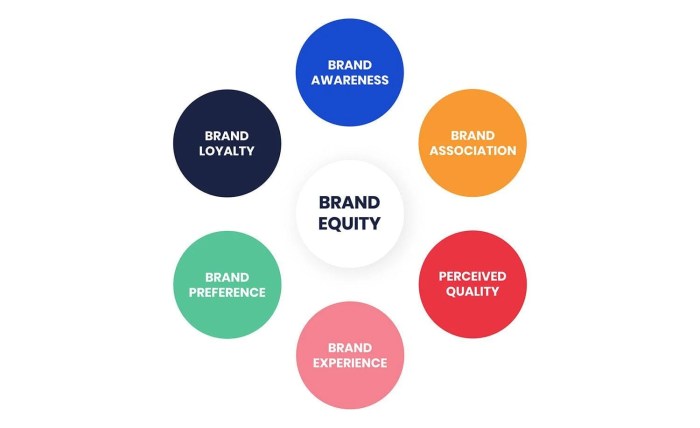
Brand equity represents the overall value of a brand, encompassing its reputation, customer loyalty, and perceived quality. It’s essentially the premium a consumer is willing to pay for a product or service solely because of its brand name, reflecting the trust and positive associations built over time. A strong brand equity translates directly into higher profits, greater market share, and a more resilient business in the face of competition.Brand equity is built upon several core components that are intricately linked.
These include brand awareness (how familiar consumers are with the brand), perceived quality (consumers’ assessment of the brand’s excellence), brand associations (the thoughts, feelings, and images linked to the brand), and brand loyalty (the degree to which customers repeatedly choose the brand). A strong brand will excel across all these dimensions, creating a synergistic effect that enhances overall value.
Brand Equity Examples
Coca-Cola exemplifies high brand equity. Its iconic logo, consistent messaging, and decades-long history have fostered immense brand awareness and positive associations worldwide. Consumers consistently perceive Coca-Cola as a high-quality beverage, leading to significant brand loyalty and a premium price point. Conversely, a lesser-known brand of cola might struggle with low brand awareness, weak associations, and limited customer loyalty, resulting in lower brand equity and a diminished ability to command higher prices.
The difference stems from years of investment in marketing, product quality, and customer experience.
Tangible and Intangible Brand Assets
Strong brand equity is built upon a foundation of both tangible and intangible assets. Tangible assets include things like patents, trademarks, and distribution networks. These provide a concrete, legally protected basis for the brand’s existence and operations. Intangible assets, however, often play a more significant role. These include brand reputation, customer relationships, and brand image – elements that are difficult to quantify but immensely valuable.
For example, Apple’s strong brand image of innovation and design is a crucial intangible asset that drives customer loyalty and willingness to pay a premium for its products. A strong brand story, built through consistent messaging and positive customer experiences, is also a powerful intangible asset.
Brand Equity Measurement Models
Different models exist for measuring brand equity, each with its strengths and weaknesses. These models typically involve assessing the various components of brand equity, such as brand awareness, perceived quality, and brand loyalty, and combining them into a single overall score. However, the specific metrics and methodologies used can vary significantly.
| Model | Focus | Metrics | Limitations |
|---|---|---|---|
| Brand Asset Valuator (BAV) | Brand strength and stature | Differentiation, relevance, esteem, knowledge | Relies on consumer perceptions, which can be subjective |
| Interbrand’s Brand Valuation Methodology | Financial value of a brand | Brand earnings, brand role, brand strength | Complex calculations, potentially susceptible to market fluctuations |
| Young & Rubicam’s BrandAsset® Valuator | Four pillars: Differentiation, Relevance, Esteem, Knowledge | Surveys, focus groups, and other market research techniques | Can be expensive and time-consuming |
| BrandZ | Combination of financial and consumer data | Financial data, consumer research, brand strength | Requires extensive data collection and analysis |
Building Brand Awareness
Building strong brand awareness is fundamental to increasing brand equity. It’s about ensuring your target audience not only knows your brand exists but also understands what it represents and why they should choose you over competitors. This involves a multifaceted approach encompassing strategic visibility across various platforms and a consistent brand message that resonates emotionally.
Effective brand awareness campaigns require a holistic strategy that leverages diverse channels and consistently reinforces your brand identity. Ignoring any single touchpoint risks creating a fragmented brand image, diluting your message and ultimately hindering your growth. A strong, consistent message, regardless of the platform, builds trust and recognition, making your brand easily identifiable and memorable.
Strategies for Increasing Brand Visibility
Increasing brand visibility requires a strategic approach across multiple platforms to reach a wider audience. This involves identifying where your target audience spends their time online and offline and tailoring your communication accordingly.
- Digital Marketing: This encompasses optimization to improve organic search rankings, paid advertising campaigns on platforms like Google Ads and social media, and email marketing to nurture leads and engage existing customers. A well-structured strategy can significantly improve organic website traffic, while targeted advertising ensures your message reaches the right people at the right time. Email marketing allows for personalized communication, fostering stronger customer relationships.
- Social Media Marketing: Maintaining an active presence on relevant social media platforms is crucial. This involves creating engaging content, interacting with followers, running contests, and utilizing social media advertising to expand reach. For example, a clothing brand might use Instagram to showcase stylish imagery and engage influencers to promote their products.
- Public Relations: Securing media coverage through press releases, partnerships with journalists, and participation in industry events can significantly boost brand awareness. A positive article in a reputable publication can greatly enhance credibility and reach a wider audience than solely relying on paid advertising.
- Content Marketing: Creating high-quality, valuable content such as blog posts, articles, videos, and infographics attracts and engages your target audience. This establishes your brand as a thought leader in your industry and drives organic traffic to your website. For example, a technology company could publish blog posts on industry trends to establish itself as a knowledgeable source.
Impact of Consistent Branding Across All Touchpoints
Maintaining consistent branding across all touchpoints – from your website and social media to your packaging and customer service interactions – is paramount. Inconsistency creates confusion and undermines brand recognition. A unified brand identity builds trust and strengthens brand recall.
Consider a hypothetical coffee shop chain. If their website features a modern, minimalist design, but their physical stores have a cluttered, outdated aesthetic, this inconsistency confuses customers and weakens the overall brand image. Conversely, maintaining a consistent brand voice, visual identity, and messaging across all platforms creates a cohesive and memorable brand experience, strengthening customer loyalty and recognition.
The Role of Storytelling in Building Brand Awareness
Storytelling is a powerful tool for building brand awareness and forging emotional connections with your audience. It allows you to humanize your brand, communicate your values, and create a narrative that resonates with your target market. Authentic storytelling fosters trust and loyalty, transforming your brand from a mere product or service into something meaningful.
For example, a successful outdoor gear company might share stories of its founders’ expeditions, highlighting the quality and resilience of their products through real-life experiences. This creates a narrative that connects with potential customers who value adventure and quality craftsmanship. This approach is far more effective than simply listing product specifications.
Social Media Campaign for Enhanced Brand Awareness
A successful social media campaign requires a clear objective, targeted audience, and engaging content. The following campaign focuses on enhancing brand awareness for a hypothetical artisanal bakery called “The Flour Child”.
Campaign Goal: Increase brand awareness and drive traffic to the bakery’s website and physical location.
Target Audience: Local residents interested in artisanal baked goods and supporting local businesses.
Campaign Duration: 4 weeks.
- Week 1: Behind-the-scenes content showcasing the baking process, highlighting the quality of ingredients and craftsmanship. Use Instagram Stories and Reels to capture the excitement and artistry.
- Week 2: Run a contest encouraging users to share photos of their favorite Flour Child treats using a branded hashtag. Offer a gift card as a prize. This generates user-generated content and increases brand visibility.
- Week 3: Partner with local influencers to review and promote the bakery’s products. This leverages the influencer’s established audience to reach a wider demographic.
- Week 4: Highlight customer testimonials and reviews on social media. Positive feedback builds trust and encourages new customers to try the bakery’s products. Run targeted Facebook ads to reach a wider local audience.
Driving Brand Loyalty
Building brand loyalty is paramount for sustained success. It’s not just about repeat purchases; it’s about cultivating a deep and enduring relationship with your customers, transforming them into brand advocates who actively promote your products or services. This translates to increased profitability, reduced marketing costs, and a significant competitive advantage.Fostering strong customer relationships offers numerous benefits beyond simple repeat business.
Loyal customers are more likely to tolerate price increases, provide valuable feedback, and remain less susceptible to competitor offers. Their positive word-of-mouth marketing is invaluable, acting as a cost-effective and highly credible form of advertising. Furthermore, a loyal customer base contributes to a more resilient brand, capable of weathering market fluctuations and maintaining a strong position in the long term.
Successful Loyalty Programs and Their Impact
Effective loyalty programs are a cornerstone of building brand loyalty. They reward repeat customers for their continued patronage, fostering a sense of appreciation and reinforcing their connection with the brand. For example, Sephora’s Beauty Insider program offers tiered rewards based on spending, providing exclusive access to events, early access to new products, and birthday gifts. This multi-faceted approach creates a sense of community and encourages repeat purchases, ultimately enhancing brand equity.
Similarly, Amazon Prime offers free shipping, streaming services, and other perks, locking in customers and driving significant revenue. The impact of these programs is measurable through increased customer lifetime value and reduced customer churn.
Strategies for Improving Customer Retention and Advocacy
Improving customer retention and advocacy requires a multifaceted approach. Proactive customer service, addressing concerns promptly and efficiently, is crucial. Personalized communication, acknowledging individual customer preferences and needs, helps build stronger relationships. Creating exclusive content and experiences for loyal customers, such as early access to sales or invitations to special events, further strengthens their connection with the brand. Finally, empowering customers to become brand advocates through referral programs and user-generated content initiatives can amplify brand reach and credibility.
Gathering and Utilizing Customer Feedback to Enhance Loyalty
Gathering and effectively utilizing customer feedback is essential for continuous improvement and strengthening customer loyalty. A proactive approach to feedback collection allows for addressing issues before they escalate and identifying opportunities to enhance the customer experience.
- Conduct regular customer surveys: Utilize online surveys, email questionnaires, or in-app feedback forms to gather quantitative and qualitative data on customer satisfaction and preferences.
- Implement social listening: Monitor social media channels and online forums to track brand mentions and customer sentiment, identifying potential issues and areas for improvement.
- Analyze customer reviews and ratings: Regularly review online reviews on platforms like Yelp, Google Reviews, and Trustpilot to understand customer perceptions and identify recurring themes.
- Conduct focus groups and interviews: Organize in-depth discussions with select customers to gain deeper insights into their experiences and needs.
- Implement a customer feedback system: Create a centralized system for collecting and managing customer feedback, ensuring that responses are tracked and addressed efficiently.
Utilizing this feedback effectively involves analyzing the data to identify trends and patterns, implementing changes based on customer suggestions, and communicating these changes transparently to customers. This demonstrates a commitment to continuous improvement and fosters stronger customer relationships.
Leveraging Brand Assets
Building strong brand equity requires effectively utilizing a company’s brand assets. These assets are the tangible and intangible elements that contribute to a brand’s overall image and value. Strategic management and consistent deployment of these assets are crucial for fostering recognition, loyalty, and ultimately, a higher brand equity.
Brand assets are the building blocks of a successful brand. They are the tools used to communicate the brand’s personality, values, and promises to the target audience. Their effective use translates directly into a stronger market position and increased customer preference.
Types of Brand Assets and Their Roles
Various brand assets contribute to a cohesive brand identity. Each plays a distinct role in shaping consumer perception and building brand equity. Understanding their individual functions and how they interact is vital for effective brand management.
- Logo: A visual representation of the brand, often the most recognizable asset. A well-designed logo is memorable, easily identifiable, and reflects the brand’s personality. For example, the Apple logo is instantly recognizable globally, symbolizing innovation and simplicity.
- Tagline/Slogan: A concise and memorable phrase that encapsulates the brand’s essence or value proposition. A strong tagline is easily recalled and reinforces the brand’s message. Nike’s “Just Do It” is a prime example of a powerful and enduring tagline.
- Brand Name: The name given to a product, service, or company. A strong brand name is memorable, easy to pronounce, and relevant to the brand’s offerings. Consider the impact of a name like Google, simple, memorable, and easily searchable.
- Brand Voice and Tone: The personality and style of communication used by the brand. This includes the language used in marketing materials, social media posts, and customer service interactions. A consistent brand voice builds familiarity and strengthens brand recognition.
- Brand Colors and Typography: The visual elements used to create a consistent look and feel. Specific colors and fonts evoke emotions and contribute to brand recognition. Coca-Cola’s iconic red color immediately triggers associations with happiness and refreshment.
- Packaging and Design: For physical products, packaging plays a crucial role in brand perception. Attractive and functional packaging can enhance the overall brand experience. Think of the unique and recognizable packaging of luxury brands like Tiffany & Co.
- Brand Story and Values: The narrative that explains the brand’s origin, mission, and values. A compelling brand story can connect with consumers on an emotional level and build brand loyalty. Patagonia’s commitment to environmental sustainability is a key element of their brand story.
Protecting Brand Assets Through Intellectual Property Rights
Protecting brand assets is crucial for maintaining brand equity and preventing unauthorized use. Intellectual property rights provide legal protection for various brand elements.
- Trademarks: Protect brand names, logos, and other identifying marks from unauthorized use. This prevents competitors from creating confusingly similar brands.
- Copyrights: Protect original creative works, such as marketing materials, website content, and advertising campaigns. This safeguards the brand’s unique expression.
- Patents: Protect inventions and innovations related to the brand’s products or services. This grants exclusive rights to manufacture and sell the protected invention.
Consistent Use of Brand Assets and Brand Recognition
Consistent use of brand assets across all platforms is essential for building strong brand recognition. Inconsistency dilutes the brand message and can confuse consumers.
Maintaining a consistent brand identity across all touchpoints – from website design to social media posts to packaging – ensures consumers quickly and easily recognize the brand. This consistency builds familiarity and trust, strengthening brand recall and ultimately contributing to increased brand equity.
Visual Representation of Cohesive Brand Identity
Imagine a Venn diagram. Three overlapping circles represent the Logo, Tagline, and Brand Voice. The overlapping sections show the synergy between these assets. The central overlapping area, where all three circles intersect, represents the core brand identity – a cohesive whole that is greater than the sum of its parts. Each asset contributes its unique element, yet together they create a unified and recognizable brand image.
The logo provides visual recognition, the tagline offers a concise brand message, and the brand voice conveys personality and tone. The consistent application of these assets across all brand touchpoints reinforces this unified identity, building a strong and recognizable brand.
Measuring Brand Equity
Accurately assessing brand equity is crucial for informed decision-making and strategic planning. Understanding the financial value of a brand and its overall strength allows companies to optimize marketing investments and make better long-term growth strategies. This section explores various methods for measuring brand equity, key performance indicators (KPIs), and the inherent challenges involved.Brand equity measurement involves a multifaceted approach, combining quantitative and qualitative data to provide a holistic view.
Different methods offer unique insights, and the choice of approach depends on the specific objectives and resources available.
Methods for Measuring Brand Equity
Several methods exist to measure brand equity, each with its strengths and weaknesses. These range from financial valuation models to consumer-centric approaches. A comprehensive assessment often involves a combination of these techniques.Brand valuation methods assign a monetary value to a brand, considering factors such as brand awareness, customer loyalty, and market share. This is often used for mergers and acquisitions or for securing financing.
Customer surveys, on the other hand, provide insights into consumer perceptions, attitudes, and behaviors related to the brand. These surveys can measure brand awareness, brand image, and customer satisfaction. Other methods include analyzing market share data, examining pricing premiums, and conducting competitor analysis.
Key Performance Indicators (KPIs) for Brand Equity Growth
Tracking specific KPIs allows companies to monitor the effectiveness of their brand-building efforts and make necessary adjustments. These metrics offer quantifiable evidence of brand equity growth or decline.Some key KPIs include brand awareness (measured through surveys or social media mentions), customer satisfaction (often measured via Net Promoter Score or CSAT), customer loyalty (measured by retention rates and repeat purchases), and market share.
Another crucial KPI is brand perception, which can be assessed through qualitative research, sentiment analysis, and brand tracking studies. These KPIs, when analyzed together, provide a comprehensive view of brand health and performance.
Challenges and Limitations of Measuring Brand Equity
Accurately measuring brand equity presents significant challenges. The intangible nature of brand equity makes it difficult to quantify precisely. Furthermore, brand equity is influenced by various factors, including market trends, competitor actions, and economic conditions, all of which are difficult to predict and control.Another challenge lies in the subjectivity of consumer perceptions. Consumer attitudes and behaviors are not always consistent or easily predictable.
The methods used to measure brand equity can also introduce bias, affecting the accuracy of the results. Finally, data availability and cost can limit the scope and depth of brand equity measurement efforts.
Comparison of Brand Equity Measurement Techniques
The following table summarizes the advantages and disadvantages of different brand equity measurement techniques.
| Technique | Advantages | Disadvantages | Suitable for |
|---|---|---|---|
| Brand Valuation | Provides a monetary value; useful for financial reporting and M&A | Can be subjective; relies on assumptions and estimations; expensive | Financial analysis, mergers and acquisitions |
| Customer Surveys | Provides insights into consumer perceptions; relatively inexpensive | Can be influenced by sampling bias; may not reflect true market sentiment | Understanding consumer attitudes, brand image |
| Market Share Analysis | Objective measure of brand performance; readily available data | Doesn’t capture the full picture of brand equity; ignores brand premium | Monitoring market position, competitive analysis |
| Pricing Premium Analysis | Indicates consumer willingness to pay a premium for the brand | Difficult to isolate the impact of branding from other factors | Assessing brand strength and customer loyalty |
Successfully increasing brand equity requires a holistic approach, encompassing consistent branding, strategic marketing, and a deep understanding of your target audience. By diligently implementing the strategies discussed – from defining your brand’s core values to actively measuring and managing its growth – you can cultivate a powerful brand that not only survives but thrives in today’s competitive landscape. Remember that brand building is an ongoing journey, requiring continuous adaptation and a commitment to delivering exceptional value to your customers.
Questions Often Asked
What is the difference between brand awareness and brand equity?
Brand awareness is simply knowing a brand exists. Brand equity goes further, encompassing the perceived value and positive associations customers have with that brand, impacting their willingness to pay more.
How can I measure the ROI of brand building activities?
Measuring ROI directly is challenging. Track key performance indicators (KPIs) like customer lifetime value (CLTV), brand awareness surveys, and sales growth to indirectly assess the impact of your efforts.
What role does negative publicity play in brand equity?
Negative publicity can severely damage brand equity. A swift, transparent, and empathetic response is crucial to mitigate the damage and rebuild trust.
How long does it take to build significant brand equity?
Building significant brand equity takes time and consistent effort. There’s no set timeframe; it depends on factors like market competition, marketing effectiveness, and customer engagement.


