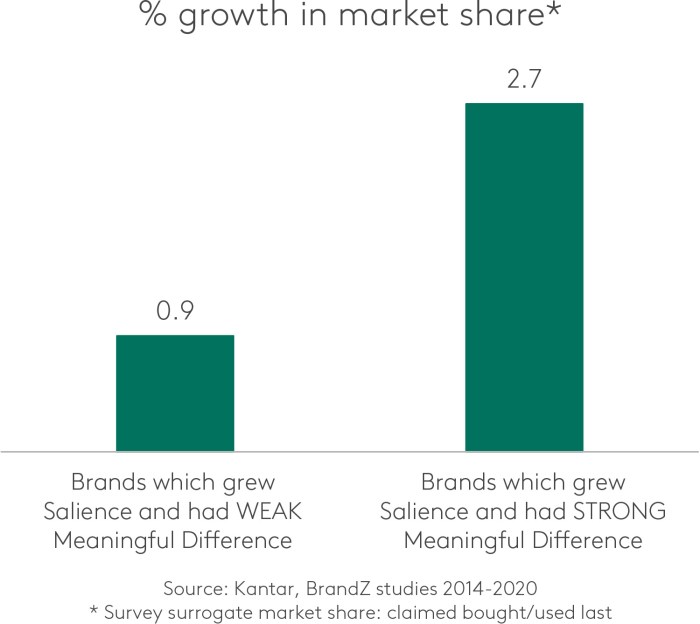
The connection between a brand’s reputation and its market dominance is undeniable. A strong brand, built on trust, quality, and positive associations, doesn’t just attract customers; it commands loyalty and drives sales. This exploration delves into the multifaceted ways brand equity directly impacts a company’s market share, examining the strategies and metrics that underpin this crucial relationship.
From understanding the core components of brand equity – awareness, perceived quality, associations, and loyalty – to analyzing how these elements influence consumer behavior and pricing power, we’ll uncover the mechanisms by which a powerful brand translates into a significant market presence. We will also investigate how companies can build, maintain, and leverage brand equity for sustained competitive advantage.
Defining Brand Equity and Market Share
Brand equity and market share are two crucial metrics for evaluating a company’s success and competitiveness in the marketplace. Understanding their relationship is essential for developing effective marketing strategies and achieving sustainable growth. While distinct, they are intrinsically linked, with strong brand equity often leading to a larger market share.
Brand Equity Components
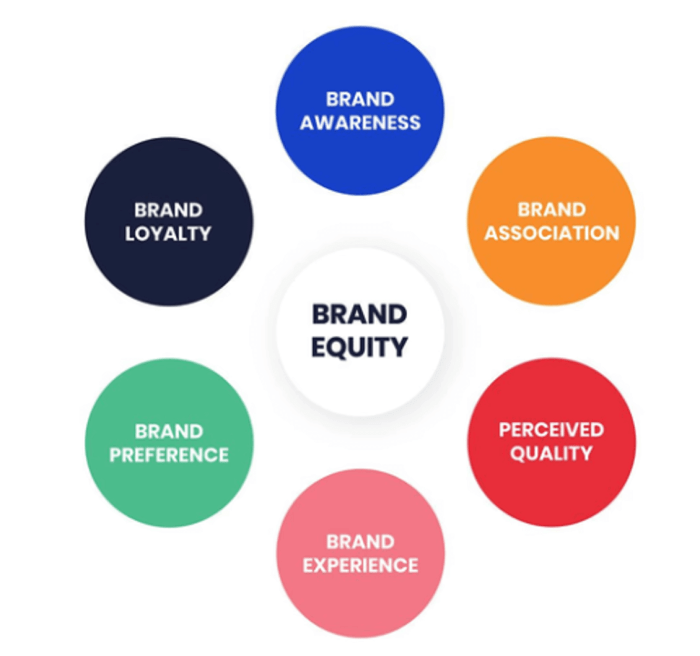
Brand equity represents the overall value of a brand, encompassing its assets and liabilities. It reflects consumer perception and the resulting impact on brand-related decisions. Several key components contribute to a brand’s overall equity. These components work synergistically, reinforcing each other to create a powerful brand.
- Brand Awareness: This refers to the consumer’s familiarity with a brand and its products or services. High brand awareness implies that consumers readily recognize and recall the brand when considering purchases within a specific category. For example, Coca-Cola boasts incredibly high brand awareness, instantly recognizable globally.
- Perceived Quality: This represents consumers’ beliefs about the quality, reliability, and performance of a brand’s offerings. A strong reputation for quality can command premium pricing and foster customer loyalty. For instance, brands like Apple consistently cultivate a perception of high quality, justifying their higher price points.
- Brand Associations: These are the thoughts, feelings, and images that consumers connect with a particular brand. Effective branding aims to create positive and unique associations. Consider the association of Harley-Davidson with freedom, rebellion, and a strong sense of community.
- Brand Loyalty: This refers to the degree to which consumers repeatedly purchase a brand’s products or services over competitors. Loyal customers represent a valuable asset, providing a stable revenue stream and acting as brand advocates. Companies like Disney build significant brand loyalty through consistent quality and engaging experiences that create lifelong fans.
Market Share Definition and Significance
Market share represents the percentage of a market’s total sales that a particular company or brand controls. It is a fundamental indicator of a company’s competitive position and success within its industry. A higher market share generally translates to greater revenue, profitability, and influence within the market. For example, a company with a 50% market share holds a dominant position compared to a competitor with only 10%.
Measuring Brand Equity and Market Share
Different methods are used to measure brand equity and market share, reflecting the complexity and multifaceted nature of each concept.
Brand Equity Measurement
Measuring brand equity is a more complex undertaking than measuring market share. While precise quantification is challenging, various approaches provide valuable insights. These methods often combine qualitative and quantitative data to gain a holistic understanding.
- Financial Valuation Methods: These methods estimate brand equity based on the financial performance attributable to the brand. This often involves analyzing brand-related revenues, profits, and market capitalization.
- Consumer-Based Methods: These focus on consumer perceptions and attitudes towards the brand. Techniques such as surveys, focus groups, and conjoint analysis assess brand awareness, perceived quality, and brand associations.
- Brand Tracking Studies: These longitudinal studies monitor key brand equity metrics over time, providing valuable insights into brand performance and the effectiveness of marketing efforts.
Market Share Measurement
Measuring market share is generally more straightforward than measuring brand equity. It primarily involves tracking sales data within a defined market.
- Sales Data Analysis: This involves analyzing sales figures from various sources, such as company records, industry reports, and market research firms. This provides a direct measure of the company’s share of total market sales.
- Market Research Surveys: Surveys can provide supplementary data on market size and consumer preferences, enhancing the accuracy of market share estimations.
The Relationship Between Brand Equity and Market Share
Brand equity and market share are intrinsically linked; a strong brand fosters higher market share, while a larger market share often reinforces brand equity. This mutually beneficial relationship is driven by consumer perception, purchasing behavior, and the overall competitive landscape. Understanding this dynamic is crucial for businesses aiming for sustainable growth and dominance within their respective markets.Strong brand equity directly translates to increased market share.
High equity signifies a brand’s superior reputation, customer loyalty, and perceived value. This positive perception makes consumers more likely to choose the brand over competitors, even if pricing is slightly higher or features are comparable. This preference leads to increased sales and, consequently, a larger market share.
Brand Equity’s Influence on Consumer Purchasing Decisions
Consumers make purchasing decisions based on a complex interplay of factors, including price, features, availability, and, critically, brand perception. Brand equity significantly influences this perception. A brand with strong equity enjoys a higher level of trust and perceived quality, leading to reduced perceived risk for consumers. This reduces the cognitive effort involved in decision-making, as consumers can rely on their positive brand associations to guide their choices.
For example, consumers are more likely to purchase Apple products due to the brand’s reputation for innovation, design, and user experience, even with higher price points compared to competitors. Similarly, the strong brand equity of Coca-Cola consistently positions it as a leading soft drink, despite the existence of numerous similar alternatives. These brands have cultivated a strong emotional connection with consumers, influencing their purchasing decisions beyond purely rational considerations.
The Role of Brand Loyalty in Maintaining Market Share
Brand loyalty is a critical component of maintaining market share. High brand equity fosters loyalty by creating a strong emotional bond between the consumer and the brand. Loyal customers are less susceptible to competitive pressures and price fluctuations, acting as a stable base for sales and revenue. This loyalty translates into repeat purchases, positive word-of-mouth marketing, and a reduced need for extensive advertising to attract new customers.
Consider the example of Harley-Davidson, whose brand loyalty transcends mere product ownership, becoming a lifestyle choice for many of its customers. This intense loyalty contributes significantly to the brand’s sustained market share in the motorcycle industry. Similarly, brands like Nike leverage strong brand loyalty to maintain their position as a market leader in athletic apparel and footwear.
Their focus on building a community around their brand fosters long-term customer relationships that translate into sustained market share.
Brand Equity’s Impact on Pricing Strategies
Brand equity significantly influences a company’s pricing power. A strong brand allows for premium pricing, while a weaker brand often necessitates competitive pricing to attract customers. This section explores how brand equity affects pricing strategies and the flexibility businesses have in setting prices.A brand’s equity directly impacts its ability to command higher prices. This is because consumers are willing to pay more for products or services associated with a brand they trust, value, and perceive as superior.
This premium pricing strategy is fundamentally different from simply increasing prices based on market conditions; it is a reflection of the brand’s inherent value in the minds of consumers.
Pricing Strategies for Products with High Brand Equity
A company with a product boasting high brand equity can leverage several pricing strategies. They can implement premium pricing, setting prices significantly higher than competitors. This is justified by the perceived added value the brand offers, including superior quality, unique features, and a strong emotional connection with the consumer. Alternatively, they might use value-based pricing, highlighting the product’s superior features and benefits to justify the premium price.
Finally, they could employ price skimming, initially setting a high price to capture early adopters and gradually lowering it over time as the market matures. For example, Apple consistently utilizes premium pricing for its iPhones, leveraging its strong brand recognition and perceived technological superiority. Consumers are willing to pay a premium because they trust the Apple brand and associate it with innovation and quality.
Pricing Flexibility: High vs. Low Brand Equity
The pricing flexibility enjoyed by a brand with high equity is significantly greater than that of a brand with low equity. A brand with high equity can withstand price increases without experiencing a dramatic drop in demand. This is because consumers are less price-sensitive when they perceive significant value in the brand. In contrast, a brand with low equity has much less flexibility.
Price increases can quickly lead to lost sales as consumers easily switch to cheaper alternatives. Consider the difference between a well-established luxury car brand like Mercedes-Benz and a lesser-known, newer car brand. Mercedes-Benz can justify higher prices due to its established brand reputation, while the newer brand might need to compete primarily on price to gain market share.
Justification of Premium Pricing Through Strong Brand Equity
Premium pricing is justifiable when a brand possesses strong equity. This is because consumers are willing to pay more for the perceived value proposition associated with the brand. This perceived value is built over time through consistent messaging, quality products, excellent customer service, and positive brand experiences. Factors contributing to this perceived value include brand awareness, brand loyalty, perceived quality, and brand associations.
A strong brand image translates directly into a willingness to pay more, enabling the brand to justify premium pricing. For example, a luxury handbag brand like Louis Vuitton can command high prices because the brand is synonymous with quality, craftsmanship, exclusivity, and status. The high price is not just about the materials; it’s about the entire brand experience and the social signaling associated with owning the product.
Brand Equity and Competitive Advantage
Brand equity, the value derived from consumer perception of a brand, is a powerful driver of competitive advantage. A strong brand acts as a formidable barrier to entry for competitors and allows established companies to command premium prices, increase customer loyalty, and ultimately, capture a larger market share. This section explores how key elements of brand equity contribute to sustainable competitive advantage, providing examples of successful brand leverage and demonstrating how brand equity protects against market disruption.A strong brand offers several key advantages in the competitive landscape.
These advantages are not merely short-term gains but rather sustainable competitive assets built over time through consistent messaging, quality products or services, and positive customer experiences. Ultimately, these elements translate into tangible business benefits.
Key Elements of Brand Equity Contributing to Sustainable Competitive Advantage
Several core components of brand equity contribute to a sustainable competitive edge. These elements work synergistically to create a powerful and resilient brand that withstands market pressures. A brand’s ability to successfully leverage these components directly impacts its competitive standing.
- Brand Awareness and Recognition: High brand awareness ensures that consumers readily identify and recall a brand when making purchasing decisions. This is especially crucial in crowded markets where consumers are bombarded with choices. Think of the instantly recognizable Apple logo – its high brand awareness alone gives it a significant advantage over lesser-known competitors.
- Brand Loyalty: Customers who are loyal to a brand are less susceptible to competitive offerings. This loyalty translates into repeat purchases and positive word-of-mouth marketing, effectively reducing marketing costs and providing a stable revenue stream. Companies like Harley-Davidson cultivate intense brand loyalty among their customers, fostering a community and a deep connection with the brand that competitors struggle to replicate.
- Perceived Quality and Value: Consumers often associate higher prices with higher quality. Brands with strong reputations for quality can command premium pricing, generating higher profit margins compared to competitors offering similar products or services at lower prices. For example, Rolex watches consistently maintain high prices due to their perceived quality and the brand’s long-standing reputation for excellence.
- Brand Associations and Image: Positive brand associations, such as innovation, sustainability, or social responsibility, can enhance a brand’s appeal and attract customers who align with those values. Patagonia’s commitment to environmental sustainability resonates strongly with a significant segment of consumers, giving them a competitive edge over brands without a similar commitment.
Examples of Brands Leveraging Brand Equity to Overcome Competitive Pressures
Many brands have demonstrated the power of brand equity to overcome competitive challenges. The ability to leverage a strong brand effectively is often the deciding factor in market dominance.
- Coca-Cola: Despite facing intense competition from numerous beverage companies, Coca-Cola has maintained its market leadership through consistent branding, global recognition, and a strong emotional connection with consumers. Its iconic imagery and global reach have allowed it to withstand numerous competitive threats.
- Nike: Nike’s success is largely attributed to its strong brand identity, association with athletic achievement, and effective marketing campaigns. This has allowed them to maintain a leading position in the sportswear market despite intense competition.
Brand Equity as a Defense Against New Market Entrants
A strong brand acts as a significant barrier to entry for new competitors. The high cost and time required to build equivalent brand equity makes it difficult for newcomers to compete effectively.
New entrants often struggle to compete against established brands with high brand equity. Consumers are less likely to switch to an unknown brand, even if it offers a similar product or service at a lower price. The established brand’s strong reputation, customer loyalty, and positive brand associations create a significant hurdle for newcomers to overcome. This barrier to entry allows established brands to maintain their market share and profitability even in the face of new competition.
Building and Maintaining Brand Equity
Building and maintaining strong brand equity is a continuous process requiring strategic planning and consistent execution. It’s an investment that yields significant returns in terms of market share, customer loyalty, and profitability. A well-defined brand strategy, coupled with effective management practices, is crucial for long-term success.
Comprehensive Brand Strategy for Building Strong Brand Equity
A robust brand strategy acts as a roadmap, guiding all brand-related activities. This strategy should be clearly defined, easily understood, and consistently applied across all departments and touchpoints. It should encompass the brand’s mission, vision, values, and target audience, forming the foundation for all future decisions.
- Define the Brand’s Core Values and Identity: This involves articulating the brand’s purpose, personality, and unique selling propositions. For example, a sustainable clothing brand might emphasize ethical sourcing and environmentally friendly practices as core values.
- Identify and Understand the Target Audience: Thorough market research is essential to understand customer needs, preferences, and behaviors. This knowledge informs all aspects of the brand strategy, from product development to marketing communications.
- Develop a Consistent Brand Messaging and Visual Identity: This includes creating a unified brand voice, logo, color palette, and typography. Consistency across all platforms reinforces brand recognition and builds trust with consumers.
- Implement a Multi-Channel Marketing Strategy: Reaching the target audience requires a diverse approach, utilizing various channels such as social media, email marketing, content marketing, and public relations. Each channel should maintain brand consistency.
- Monitor and Measure Brand Performance: Regularly tracking key metrics such as brand awareness, customer satisfaction, and market share provides valuable insights for optimizing the brand strategy. This allows for adaptive adjustments based on performance data.
Consistent Brand Messaging and Experiences Across Touchpoints
Maintaining consistent brand messaging and experiences across all customer touchpoints is paramount. Inconsistency can lead to confusion, dilute brand image, and damage customer trust. Every interaction—from website design to customer service interactions—should reflect the brand’s personality and values.
For example, a luxury car brand must ensure that its website, dealerships, advertising campaigns, and customer service representatives all project the same image of sophistication, quality, and exclusivity. A mismatch in any area can negatively impact the overall brand perception.
Effective Brand Management Practices for Long-Term Brand Equity
Effective brand management involves a proactive and systematic approach to building and protecting brand equity. It requires ongoing monitoring, adaptation, and investment.
This includes regular brand audits to assess brand health, proactive crisis management to mitigate potential damage to brand reputation, and continuous innovation to stay relevant and competitive. Investing in employee training to ensure consistent brand delivery across all interactions is also crucial. For example, a fast-food chain might invest heavily in training its employees to deliver consistent customer service and maintain high standards of food quality to uphold its brand promise.
The Role of Brand Strategy and Management in Brand Equity
A strong brand strategy is the cornerstone of building and maintaining substantial brand equity. It provides a roadmap for all brand-related activities, ensuring consistency and coherence in messaging, experiences, and overall brand perception. Without a well-defined strategy, efforts to build brand equity become fragmented and ultimately less effective. Effective brand management then translates this strategy into actionable plans, driving market share growth and ensuring long-term brand success.Brand strategy encompasses a comprehensive understanding of the target audience, competitive landscape, and the unique value proposition the brand offers.
It Artikels the desired brand personality, positioning, and long-term goals. This strategic framework guides all marketing and communication efforts, ensuring consistency and reinforcing the brand’s core message across all touchpoints. This consistency is vital for building trust and recognition, key components of strong brand equity.
Brand Strategy’s Contribution to Brand Equity
A robust brand strategy directly contributes to building and maintaining brand equity by providing a clear direction and framework for all brand-related activities. This includes defining the target audience, articulating the brand’s unique value proposition, establishing a consistent brand voice and visual identity, and outlining a plan for managing the brand’s reputation. For example, consider Apple’s consistent focus on design, user experience, and premium pricing.
This strategic consistency has built immense brand equity, allowing them to command premium prices and maintain high customer loyalty. A poorly defined strategy, on the other hand, can lead to inconsistent messaging, diluted brand image, and ultimately, weaker brand equity.
Brand Management’s Role in Driving Market Share Growth
Brand management plays a critical role in translating brand strategy into tangible results, specifically driving market share growth through enhanced brand equity. Brand managers are responsible for overseeing all aspects of the brand, from product development and marketing to customer service and public relations. Their key responsibilities include market research to understand customer needs and preferences, developing and implementing marketing campaigns that align with the brand strategy, monitoring brand performance and making necessary adjustments, and managing the brand’s reputation and ensuring brand consistency across all channels.
For instance, a brand manager might leverage positive customer reviews to boost brand perception and drive sales.
Comparative Analysis of Brand Management Approaches
Different approaches to brand management can significantly impact brand equity. A centralized approach, where a single team manages all aspects of the brand, ensures consistency and a unified brand message. However, this can sometimes lead to inflexibility and a slower response to market changes. A decentralized approach, where individual business units manage their own brands, allows for greater responsiveness to local market conditions and customer preferences.
However, this can lead to inconsistencies in brand messaging and diluted brand equity if not carefully managed. A hybrid approach, combining elements of both centralized and decentralized management, can offer the best of both worlds, providing both consistency and flexibility. The choice of approach depends on factors such as the size and complexity of the organization, the nature of the industry, and the brand’s specific goals.
For example, a large multinational corporation might use a hybrid approach, with a central team overseeing brand strategy while individual regional teams manage local marketing initiatives.
Measuring the ROI of Brand Equity Investments
Measuring the return on investment (ROI) of brand building activities is crucial for demonstrating the value of marketing efforts and securing continued investment. While brand equity itself isn’t directly quantifiable on a balance sheet like tangible assets, its impact on financial performance can be effectively tracked and measured through various key metrics. This allows businesses to understand the financial return generated by their brand-building initiatives.A robust framework for measuring the ROI of brand equity investments should integrate both qualitative and quantitative data.
It’s not enough to simply track sales figures; a deeper understanding of the brand’s contribution to those sales is essential. This framework should be tailored to the specific industry, competitive landscape, and strategic goals of the business.
A Framework for Measuring Brand Equity ROI
This framework Artikels a structured approach to measuring the financial return from brand building activities. It combines financial metrics with measures of brand health and customer perception. The framework allows businesses to assess the effectiveness of their investments and make data-driven decisions for future brand-building strategies. The process involves several key stages: establishing baseline metrics, defining target metrics, implementing brand-building activities, tracking progress, and analyzing the results against the established goals.
Tracking Key Metrics Demonstrating Brand Equity’s Impact on Financial Performance
Several key performance indicators (KPIs) can effectively demonstrate the impact of brand equity on financial performance. These metrics provide a holistic view of how brand building translates into tangible business outcomes. A strong brand directly impacts key financial metrics such as revenue, profitability, and market share.
- Revenue Growth: Analyzing revenue growth attributable to brand-building initiatives, such as increased customer loyalty or premium pricing. This requires isolating the impact of brand equity from other factors influencing revenue. For example, a company launching a new product with strong brand recognition might experience significantly higher initial sales compared to a competitor with a less established brand.
- Profitability: Assessing the impact of brand equity on profit margins. Strong brands often command higher prices and enjoy increased customer loyalty, leading to higher profitability. Analyzing profit margins over time, in relation to brand-building activities, can illustrate this impact.
- Customer Lifetime Value (CLTV): Measuring the total revenue generated by a customer over their relationship with the company. Strong brand equity fosters customer loyalty, leading to a higher CLTV. This metric demonstrates the long-term financial benefit of building a strong brand.
- Market Share: Tracking changes in market share in relation to brand-building activities. Increased brand awareness and preference often lead to a larger market share. This can be compared to competitors’ market share to highlight the effectiveness of brand building.
- Brand Premium: Analyzing the price premium a company can charge compared to competitors for similar products or services. A strong brand justifies higher prices, reflecting the value customers place on the brand. This premium directly contributes to higher profit margins.
Examples of Quantifying Brand Equity Value
Several methods exist for quantifying brand equity. These methods vary in complexity and data requirements but provide valuable insights into the financial value of a brand.
- Brand Valuation Models: These models, such as those developed by Interbrand or Brand Finance, use a combination of financial data and brand-related metrics to estimate the monetary value of a brand. These models often consider factors like brand awareness, customer loyalty, and perceived quality.
- Customer Surveys and Focus Groups: Gathering data on consumer perceptions of the brand through surveys and focus groups can help determine the brand’s value in the eyes of the customer. This qualitative data can then be used in conjunction with quantitative data to assess the overall brand equity.
- Market Research: Analyzing market data, such as consumer purchase behavior and brand preference, can help quantify the impact of brand equity on sales and market share. This data can provide insights into the return on investment of brand-building activities.
Ultimately, building and sustaining strong brand equity is not merely a marketing exercise; it’s a fundamental driver of long-term business success. By understanding how brand equity influences market share, companies can make informed strategic decisions, invest wisely in brand-building initiatives, and ultimately achieve a more robust and sustainable competitive position. The journey requires a comprehensive strategy, consistent messaging, and a commitment to delivering exceptional value to customers.
The result? A powerful brand that translates directly into significant market share.
Expert Answers
What is the difference between brand awareness and brand loyalty?
Brand awareness refers to the consumer’s knowledge of a brand’s existence. Brand loyalty, however, signifies a repeated preference for that brand over competitors, often driven by positive experiences and strong brand associations.
Can a company with low brand equity still gain market share?
Yes, but it will likely require aggressive pricing, extensive marketing campaigns, or a disruptive innovation to overcome the advantages of established brands. Gaining market share without strong brand equity is often a more challenging and less sustainable approach.
How can a company measure the ROI of its brand equity investments?
Measuring ROI for brand equity requires tracking metrics such as brand awareness, customer satisfaction, market share changes, and ultimately, financial performance. Sophisticated models can help quantify the monetary value of increased brand equity.


